
NFHS-6 Report Paints Concerning Health Picture for Odisha
NFHS-6 report reveals rising child malnutrition and diabetes cases in Odisha, while tobacco and alcohol consumption remain major public health concerns across the state.

Child Malnutrition Remains a Major Challenge
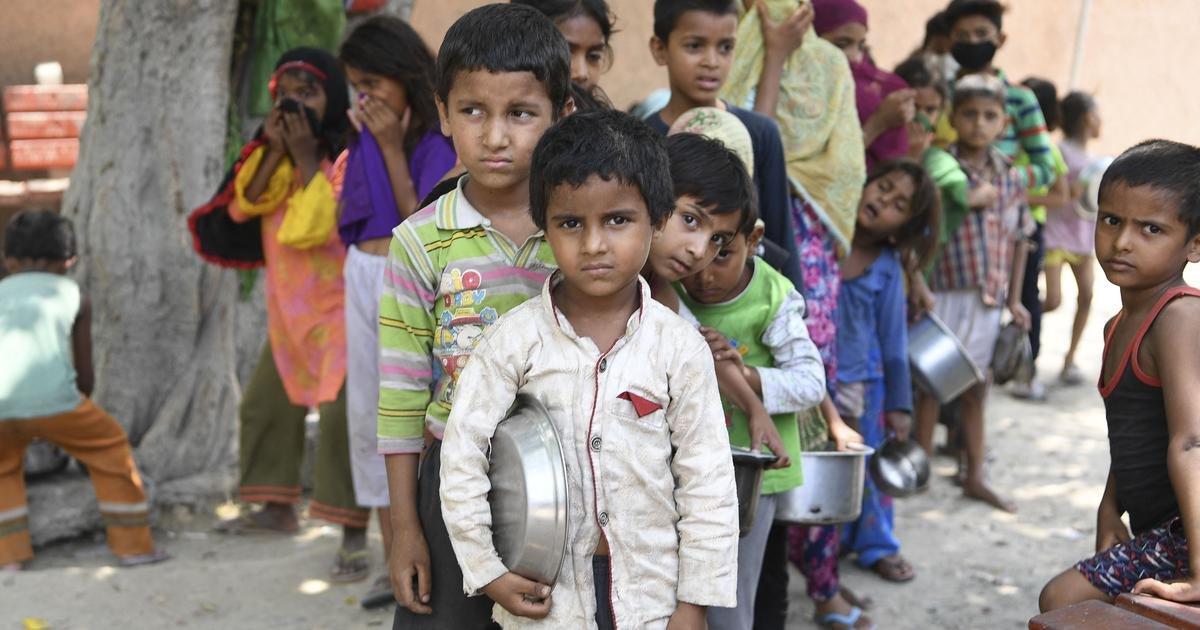
The National Family Health Survey (NFHS-6) 2023-24 has revealed several concerning trends regarding the health and nutritional status of children in Odisha. The report indicates that malnutrition among children under the age of five remains a significant public health challenge.
According to the survey, the proportion of wasted children—those whose weight is low for their height—has increased from 18.1 percent in NFHS-5 (2019-21) to 22.1 percent in NFHS-6 (2023-24). This means that more than 22 out of every 100 children under five in Odisha are suffering from acute malnutrition.
Similarly, the percentage of underweight children, whose weight is low for their age, has risen from 29.7 percent to 31.6 percent. The report also shows that 26.8 percent of children in the state are stunted, indicating low height for age due to chronic malnutrition.
The findings have raised concerns among health experts, as malnutrition continues to affect child growth, development, and survival.
High Tobacco and Alcohol Consumption
The survey has also highlighted the widespread use of tobacco and alcohol among adults in Odisha.
According to the report, 22.8 percent of women and 48.3 percent of men in the state consume tobacco products. Alcohol consumption remains another area of concern, with 26.8 percent of adults reporting alcohol use. Among women, the prevalence of alcohol consumption stands at 3.1 percent.
Health experts have warned that high tobacco and alcohol use can contribute to a growing burden of non-communicable diseases, including cancer, cardiovascular diseases, and liver disorders.
Maternal and Institutional Healthcare Show Improvement
At the national level, the survey reflects positive progress in maternal and child healthcare indicators.
Officials from the Ministry of Health and Family Welfare stated that India’s Maternal Mortality Ratio (MMR) has declined to 87 deaths per 100,000 live births. The expansion of the Ayushman Bharat health insurance scheme and the inclusion of private hospitals are believed to have contributed to improved healthcare access.
The report also shows an increase in institutional deliveries across the country. The percentage of childbirths occurring in healthcare facilities has risen to 90.6 percent, compared to 88.6 percent recorded in NFHS-5.
However, the survey indicates a growing preference for private healthcare facilities over government hospitals for childbirth services.
Rising Burden of Diabetes in Odisha
The NFHS-6 report has also revealed a sharp increase in diabetes and high blood sugar levels among adults in Odisha.
Among women aged 15 years and above, approximately 21.7 percent are affected by high blood sugar and are taking medication to control the condition. This marks a significant increase from 14 percent recorded during the 2019-21 survey period.
Similarly, among men aged 25 years and above, the prevalence of high blood sugar has increased from 17 percent in NFHS-5 to 26.6 percent in NFHS-6. This means nearly 27 out of every 100 adult men in Odisha are living with diabetes or elevated blood sugar levels.
Need for Stronger Public Health Interventions
The NFHS-6 findings underline the need for stronger nutritional interventions, improved healthcare access, and greater awareness regarding lifestyle-related diseases in Odisha. While progress has been made in maternal healthcare and institutional deliveries, the rise in child malnutrition, tobacco and alcohol use, and diabetes poses serious challenges for the state’s public health system.
Experts stress that targeted nutrition programmes, preventive healthcare measures, and community-level awareness campaigns will be essential to improving health outcomes in the coming years.
Comments are closed.