Arvind Kejriwal Seeks Meeting with PM Modi Over E20 Petrol Concerns
AAP chief urges the Centre to offer consumers a choice between regular petrol and E20 fuel, citing concerns over mileage and vehicle performance.


Trending

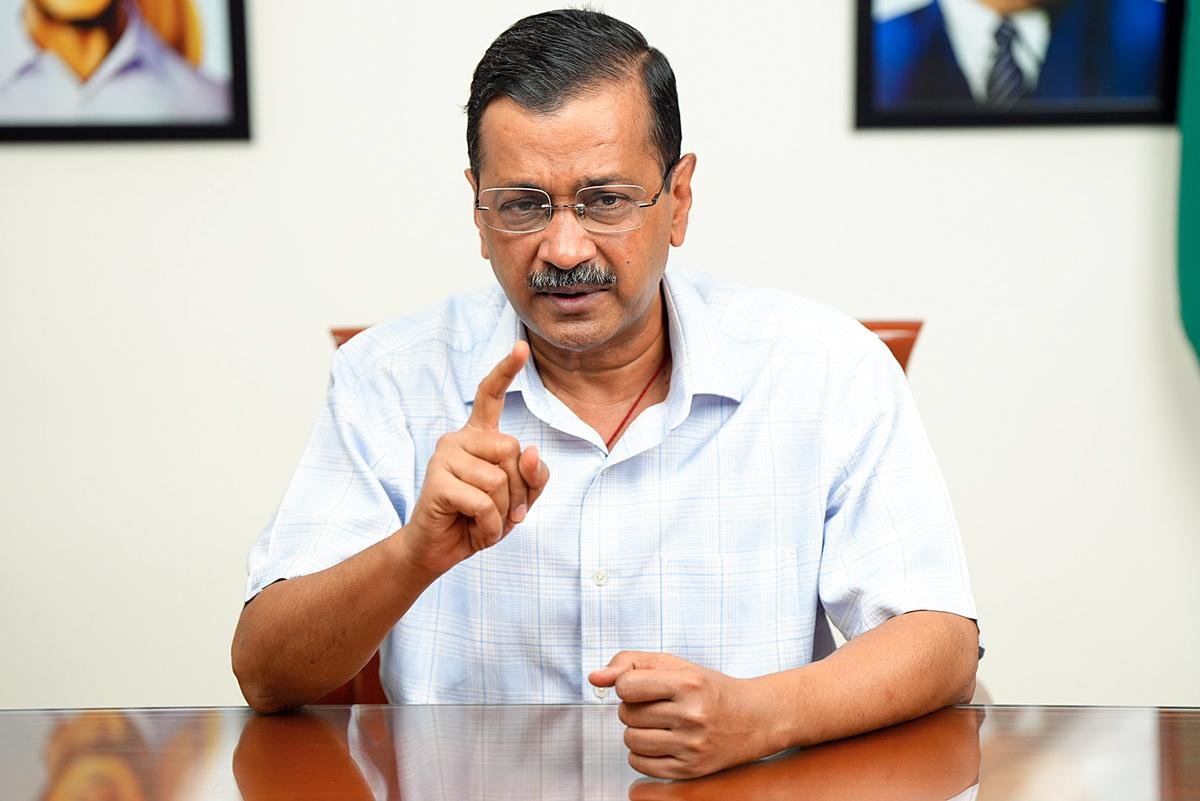
Aam Aadmi Party (AAP) national convenor Arvind Kejriwal has sought an appointment with Prime Minister Narendra Modi to discuss growing public concerns and technical issues related to E20 (20% ethanol-blended) petrol.
In a letter addressed to the Prime Minister on Tuesday, Kejriwal urged the Centre to allow consumers the choice between regular petrol and E20 petrol at fuel stations. He said the proposal was based on feedback received from vehicle owners who have raised concerns about the performance of E20 fuel.
Kejriwal stated that he wants to present the experiences and concerns of the public directly to the Prime Minister, particularly regarding the technical issues and reduced fuel efficiency reportedly associated with E20 petrol.
He also demanded that the price of E20 petrol be reduced, arguing that it delivers lower mileage compared to conventional petrol, making it less economical for consumers.
To support the campaign, the Aam Aadmi Party has launched an online petition inviting citizens to share their experiences with E20 petrol, especially regarding mileage and vehicle performance. The signed petition will be submitted to the Prime Minister after collecting public feedback.
In addition, Kejriwal has appealed to party workers and supporters to interact directly with motorists, record their experiences with E20 fuel, and share those videos on social media to highlight consumer concerns.
The AAP leader expressed hope that Prime Minister Modi would grant him an appointment soon, allowing him to discuss the issue and present the views of affected consumers.
The Centre has been promoting ethanol-blended fuel as part of its strategy to reduce dependence on imported crude oil and lower carbon emissions. However, concerns over fuel efficiency and compatibility with older vehicles have sparked debate among sections of consumers, prompting fresh demands for greater flexibility in fuel choices.
Recover your password.
A password will be e-mailed to you.
Comments are closed.