

US Lawmakers Revolt: Trio Moves to Scrap Trump’s 50% Tariffs on India
Lawmakers challenge the national emergency declaration used to impose steep duties, warning of higher prices for Americans and strain on US-India ties

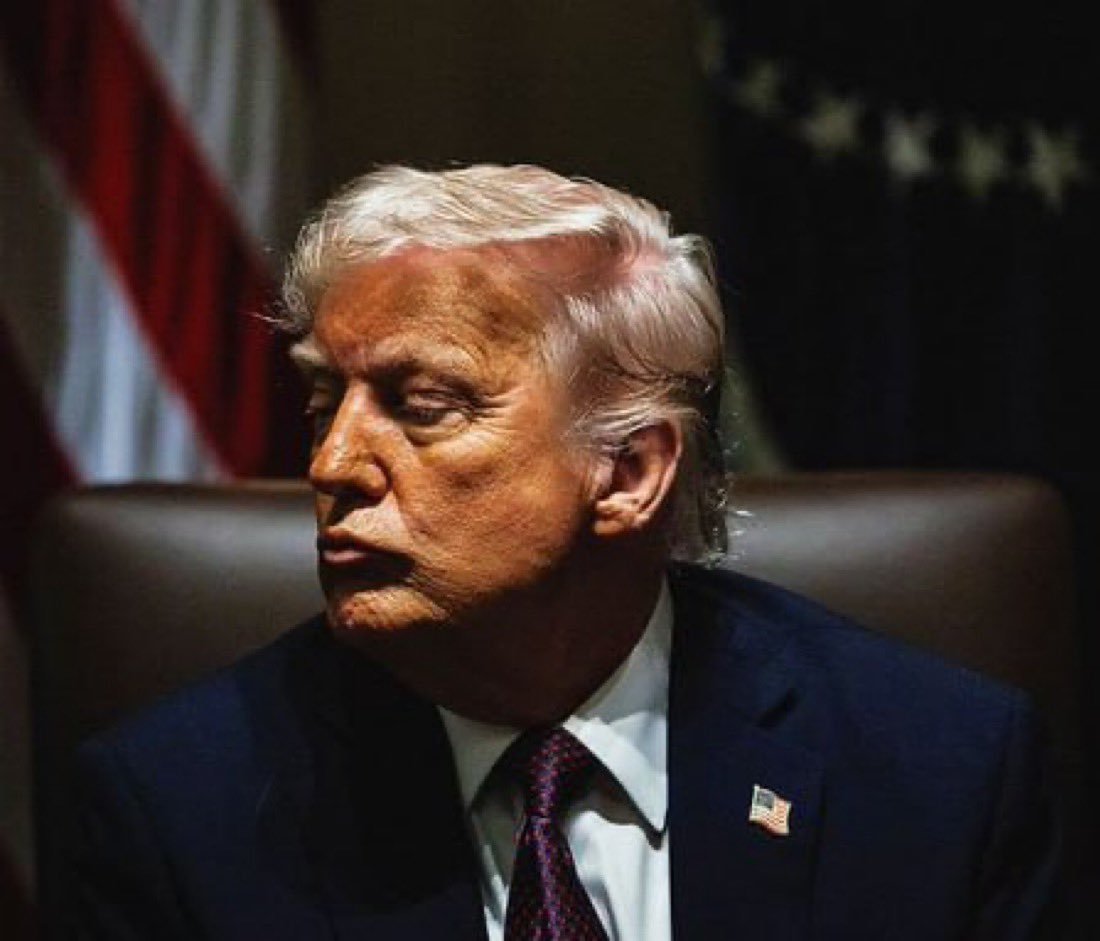
In an unusual display of internal dissent, three Democratic members of the US Congress have formally moved to challenge President Donald Trump’s trade policy toward India, filing a resolution to overturn the national emergency declaration that enabled steep tariffs on Indian imports. The move signals growing unease within the Democratic Party over what lawmakers describe as the President’s unilateral and legally questionable use of executive power on trade.
Resolution Targets Emergency Declaration Behind Tariffs
Congresswomen Deborah Ross and Marc Veasey, along with Congressman Raja Krishnamoorthi, introduced a resolution aimed at annulling the national emergency declaration used to justify tariffs of up to 50 per cent on Indian goods. The duties were imposed as retaliation for India’s continued purchase of Russian oil during the Ukraine conflict.
The lawmakers argue that the tariffs are “illegal” and economically harmful, warning that they function as a direct tax on American consumers while straining ties with one of Washington’s most important strategic partners.
Concerns Over Misuse of Executive Authority
At the heart of the challenge is the administration’s reliance on the International Emergency Economic Powers Act, or IEEPA. The Democrats contend that the law was misapplied, allowing the White House to bypass Congress and impose sweeping trade penalties without sufficient justification or transparency.
The tariffs were further escalated on August 27 with an additional 25 per cent secondary duty, introduced without prior notification to India and layered on top of existing reciprocal rates. Lawmakers say this move compounded uncertainty and damaged trust in US trade practices.
Economic Impact on US States and Consumers
Deborah Ross highlighted the deep economic ties between India and her home state of North Carolina, noting that Indian companies have invested over $1 billion in the state and created thousands of jobs, particularly in technology and life sciences. She warned that the tariffs risk undermining these investments while also hurting American exporters.
Marc Veasey echoed similar concerns, describing the tariffs as a “tax on everyday Americans” that worsens inflationary pressures for families, especially in North Texas. He argued that higher import costs inevitably trickle down to consumers and workers.
Warning on US-India Strategic Partnership
Indian-American Congressman Raja Krishnamoorthi stressed the broader geopolitical implications of the trade dispute. He cautioned that the tariffs could disrupt supply chains, raise prices, and weaken opportunities to deepen cooperation between the US and India in areas such as security, technology, and economic growth.
According to Krishnamoorthi, penalising a democratic ally at a time of global instability sends the wrong message and risks long-term strategic damage.
Part of a Broader Democratic Strategy
The resolution aligns with a wider Democratic effort to reclaim congressional authority over trade policy. It follows an earlier letter sent in October by five lawmakers, including Ross, Veasey, Krishnamoorthi and Ro Khanna, urging the administration to reconsider its approach toward India.
The move reflects growing frustration among Democrats with what they view as the President’s unilateral use of emergency powers to reshape global trade without legislative oversight.
Uncertain Future for US-India Trade Relations
The challenge comes amid lingering legal questions over similar tariffs imposed on Brazil, raising speculation about whether the White House may face renewed judicial or political pressure. While the resolution’s outcome remains uncertain, it underscores rising congressional discomfort with the current trade strategy and highlights the fragile state of US-India economic relations.
As debate intensifies in Washington, the episode could mark a turning point in how trade policy is crafted between the world’s largest democracy and one of its closest allies.
Comments are closed.