

Surging Oil Prices Amid US-Iran Standoff Spark Fears of Costlier Fuel in India
Brent Nears $72, WTI Above $67 as Strait of Hormuz Tensions Trigger Supply Fears and Raise Fuel Price Concerns in India

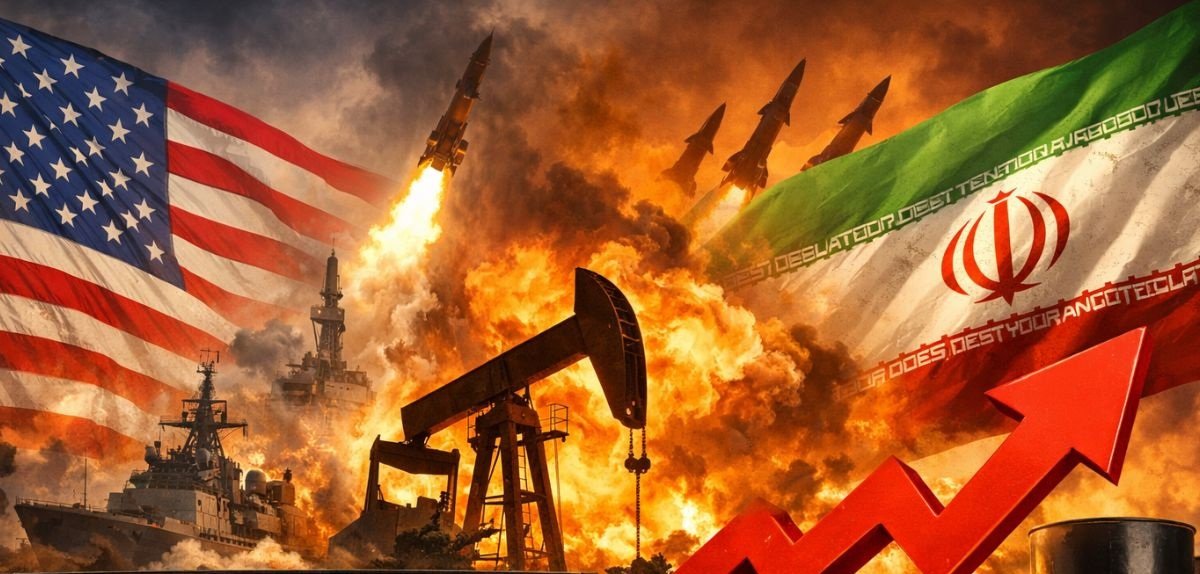
Rising geopolitical tensions between the United States and Iran have pushed global crude oil prices to a six-month high, sparking concerns over a possible increase in petrol and diesel prices in India.
The surge comes amid fears of supply disruptions in key oil-producing regions, adding volatility to already sensitive energy markets.
Brent and WTI Rally on Supply Fears
International benchmark Brent Crude climbed to around $71.99 per barrel, while West Texas Intermediate (WTI) hovered at $67.05 per barrel on Friday.
Over the past week, Brent has gained nearly 6%, while WTI has risen more than 5%. Analysts attribute the rally to heightened geopolitical uncertainty and concerns that escalating tensions could disrupt oil flows from the Middle East.
Flashpoint in the Middle East
The latest flare-up follows a strong ultimatum issued by US President Donald Trump to Iran, calling for the resumption of nuclear deal negotiations within a specified timeframe. The situation has been further complicated by an expanded US military presence in the region.
Adding to investor anxiety are joint naval drills conducted by Iran and Russia in the strategic Strait of Hormuz — a critical chokepoint that handles nearly 20% of the world’s oil supply. Any disruption in this corridor could significantly impact global energy markets.
Simultaneously, stalled nuclear talks and setbacks in Russia-Ukraine peace negotiations have intensified concerns over global supply chains.
Volatility Reflected in Indian Markets
Back home, crude oil futures for March delivery on the Multi Commodity Exchange (MCX) initially surged before trading flat at around ₹6,050 per barrel, highlighting the market’s volatility.
Market experts suggest tightening supplies are also playing a role. Falling crude inventories in the United States and China have offset OPEC+’s production increase plans, creating a tighter global supply environment.
Analysts at SAMCO Securities noted that WTI has rebounded sharply from $55 levels and a breakout above $66 could push prices towards $72–73. On MCX, ₹6,300 is seen as the next resistance level, while ₹6,000 remains strong support in what is being described as a bullish yet volatile trend.
Will Indian Consumers Feel the Heat?
With India heavily dependent on crude imports, sustained high oil prices could translate into higher petrol and diesel costs. While state-run oil marketing companies have not yet announced any revision in pump prices, prolonged geopolitical instability may force a price adjustment.
Any hike in fuel rates could have a cascading effect on transportation costs, inflation, and household budgets, particularly at a time when consumers are already grappling with broader economic pressures.
For now, markets remain on edge as global investors closely monitor diplomatic developments in the Middle East and their potential impact on energy flows.
Comments are closed.