

Resilient Reserves: How India’s Crude Stockpile Defies International Tensions
With 40–45 Days of Strategic Reserves and Diversified Supply Lines, India Braces for Potential Strait of Hormuz Disruptions Amid Rising Middle East Tensions

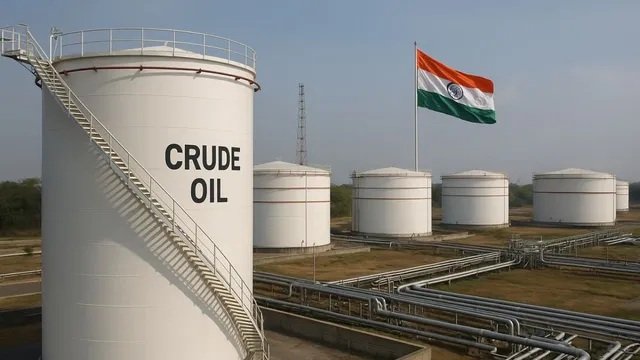
Amid escalating tensions in the Middle East and fears of a wider Iranian crisis, concerns over disruptions in the Strait of Hormuz have resurfaced globally. However, India appears well-prepared to weather short-term supply shocks, backed by robust strategic petroleum reserves and diversified sourcing options.
India’s Strategic Oil Buffer Offers Cushion
India currently maintains crude oil reserves sufficient for 40–45 days of consumption — roughly 100 million barrels — providing a critical safety net in case of supply disruptions. These reserves include both commercial stocks held by refineries and the country’s Strategic Petroleum Reserves (SPR), stored in underground facilities and oil-bound vessels.
With India importing nearly 88 percent of its crude oil needs, such buffers play a crucial role in ensuring energy security during geopolitical crises.
Strait of Hormuz: A Critical Chokepoint
India imports an average of five million barrels of crude oil per day, with nearly 2.5 million barrels transiting through the Strait of Hormuz — a narrow 33-kilometre-wide waterway that handles nearly one-third of the world’s seaborne crude exports and about 20 percent of global liquefied natural gas trade.
Any disruption in this strategic chokepoint due to escalating tensions involving Iran could have significant implications for global oil flows and prices.
Short-Term Security, Long-Term Concerns
Analysts believe that even in the event of a month-long conflict — a scenario recently alluded to by former US President Donald Trump — India remains secure in the short term due to its reserves and ongoing shipments already en route.
Sumit Ritolia, Chief Research Analyst at Kepler, noted that the immediate impact of a supply disruption would be felt in pricing and logistics rather than physical shortages. Refineries typically maintain adequate commercial inventories, and tankers already dispatched would offer temporary relief.
However, prolonged instability could escalate import and freight costs, force route diversions, and increase insurance premiums, thereby raising overall expenditure.
Brent Crude Climbs Above $80
Global oil prices have already reacted to the brewing crisis. Brent crude has surged past $80 per barrel — nearly 10 percent higher than pre-crisis levels.
In the previous fiscal year, India spent approximately $137 billion on crude oil imports. Between April and January of the current fiscal, the country imported 206.3 million tonnes of crude, spending around $100.4 billion. Sustained high prices could significantly widen India’s import bill and impact inflation and fiscal balances.
Diversification Strategy to Reduce Risk
To mitigate risks, India may increase imports from alternative suppliers in West Africa, Latin America, the United States, or boost discounted purchases from Russia. Such diversification has been a key feature of India’s evolving energy strategy in recent years.
While immediate physical shortages appear unlikely, extended geopolitical turmoil could strain the economy through higher import costs and currency pressures.
Energy Security in an Uncertain World
India’s strategic reserves underscore its proactive approach to safeguarding energy security amid global volatility. Though short-term resilience appears assured, policymakers will be closely monitoring developments in West Asia to prevent long-term economic disruptions.
As global tensions simmer, India’s preparedness offers a measure of stability — at least for now.
Comments are closed.