

Naveen Patnaik’s Rajya Sabha Strategy Sparks Debate Over BJD–Congress Understanding
BJD’s unexpected understanding with Congress for Rajya Sabha seats raises questions about Naveen Patnaik’s long-standing “equidistant” political strategy in Odisha.

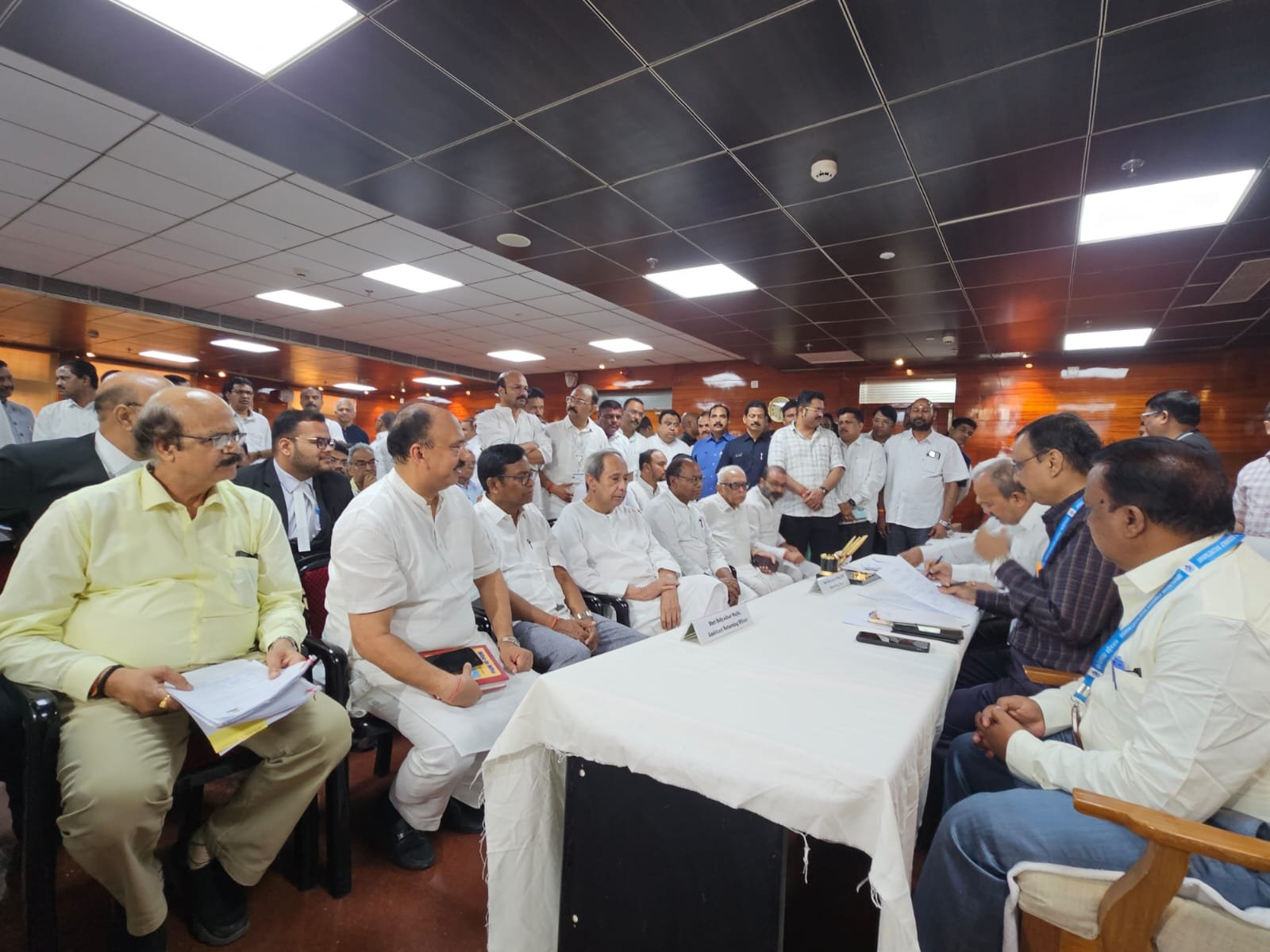
Former Odisha Chief Minister Naveen Patnaik has triggered a fresh political debate after his party, the Biju Janata Dal (BJD), signaled an unprecedented understanding with the Indian National Congress in the contest for seats in the Rajya Sabha. The move marks a striking shift in Odisha’s political landscape, as Patnaik had long positioned his party as an alternative to Congress for more than two decades.
Political observers say the development has raised questions about the BJD’s long-standing strategy of maintaining equal distance from both national parties.
Sudden Emphasis on Secularism
While filing nominations for the Rajya Sabha contest, Patnaik spoke about the importance of secular values, a remark that quickly became the centre of political discussions in the state. Critics argue that the statement represents a significant shift from his earlier stance of maintaining neutrality between national parties.
For many analysts, the reference to secularism echoes events from 2008 following the killing of Swami Laxmanananda Saraswati. At that time, Patnaik had cited secular principles as the reason for ending the BJD’s alliance with the Bharatiya Janata Party.
After breaking ties with the BJP, the BJD contested the 2009 elections independently and secured a decisive victory, further strengthening Patnaik’s political dominance in Odisha.
Changing Equations After Loss of Power
Patnaik led Odisha politics for nearly 24 years, shaping the state’s governance and electoral dynamics. However, the recent shift in strategy comes after the BJD lost power in the 2024 elections, altering the political balance in the state.
During the years when the National Democratic Alliance led by Prime Minister Narendra Modi was in power at the Centre, the BJD often extended issue-based support to the government, especially on matters related to states’ interests.
Now, the apparent alignment with Congress has left many party leaders and grassroots workers uncertain about the party’s future direction.
Confusion Among Party Workers
Political observers say the sudden shift has created confusion among BJD cadres, particularly in southern and coastal regions of Odisha where the BJD and Congress have traditionally been direct rivals.
Some party members who had been considering switching to Congress are also reportedly unsure about the new political equations. Leaders and workers who spent decades opposing each other are now grappling with the possibility of cooperation.
Rajya Sabha Results to Be a Key Test
The outcome of the Rajya Sabha elections scheduled for March 16 is expected to provide the first real indication of how the emerging BJD–Congress understanding might shape future political alliances in the state.
As Odisha’s political landscape evolves, Patnaik’s latest manoeuvre highlights the fluid nature of alliances in Indian politics, where strategic shifts often redefine long-standing rivalries.
Comments are closed.