
Iran’s New Supreme Leader Chosen in Secret Vote, Alamolhoda Claims Amid Tehran Oil Inferno
Assembly of Experts reportedly completes secret vote as US-Israel strikes intensify across Tehran’s oil infrastructure

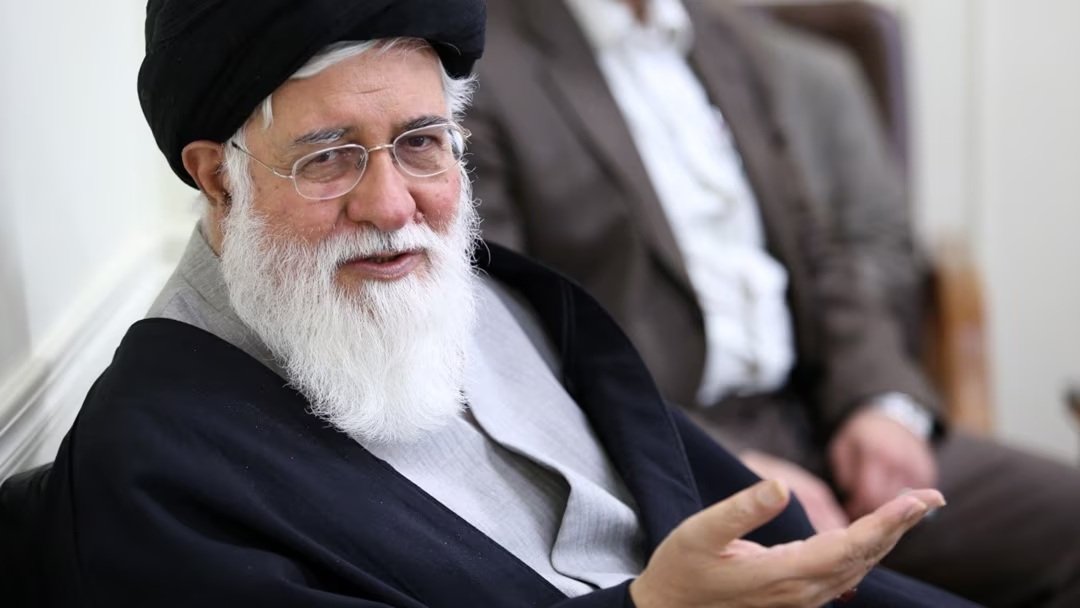
Iran has reportedly chosen its new Supreme Leader in a secret vote following the assassination of Ayatollah Ali Khamenei on February 28, as the country faces escalating military confrontation with Israel and the United States. The announcement was hinted at during Friday prayers by Ayatollah Ahmad Alamolhoda, who stated that the selection process had already been completed.
However, the identity of the new leader has not yet been publicly revealed, leaving the nation and the region in suspense during a rapidly intensifying conflict.
Secret Vote Completed by Assembly of Experts
Speaking during Friday prayers in Mashhad, Alamolhoda—who is also a member of the powerful Assembly of Experts—said the voting process to appoint Iran’s next Supreme Leader has already taken place.
“The vote has taken place, and the leader has been chosen,” he declared, dismissing reports of disagreement within the assembly as “completely false.”
According to Iran’s constitution, once the Assembly of Experts finalizes its decision, it cannot be overturned—even by the members themselves. The official announcement is now expected to come from Ayatollah Hosseini Bushehri, who heads the assembly’s secretariat.
The secrecy surrounding the process has fueled speculation about who will lead the Islamic Republic during one of the most dangerous moments in its modern history.
Assassination of Khamenei Triggers Leadership Crisis
The sudden death of Ayatollah Khamenei in a joint US-Israeli strike triggered a major political crisis in Iran. Khamenei, who had served as the country’s Supreme Leader since 1989, was one of the most powerful figures in the Middle East.
Following his death, Iranian authorities reportedly formed an interim leadership council while the Assembly of Experts worked behind closed doors to choose his successor.
Clerical insiders have hinted that the next Supreme Leader could come from within Khamenei’s ideological or familial circle, suggesting continuity in the country’s political and religious leadership.
Massive Airstrikes Hit Tehran’s Oil Infrastructure
The political developments come as the conflict between Iran, Israel, and the United States intensifies dramatically. Late Saturday into Sunday, US and Israeli forces launched major airstrikes targeting oil infrastructure in the Iranian capital.
Among the sites hit were the Shahran oil depot in southern Tehran, facilities in the Shahre Rey district, and several depots in Alborz Province.
Explosions were reportedly heard as far as Karaj, with massive fireballs and thick plumes of black smoke rising above the capital’s skyline, according to the state news agency Islamic Republic News Agency.
Witness videos circulating online showed blazing fuel depots and widespread panic in surrounding neighborhoods.
Israel Says Strikes Targeted Military Fuel Supplies
The Israel Defense Forces said the attacks were aimed at fuel facilities used by Iranian armed forces. According to Israeli officials, destroying these depots could weaken Tehran’s military logistics and economic capabilities.
The strikes marked the first direct attacks on major civilian-linked oil infrastructure in Tehran since the conflict erupted, signaling a dramatic escalation in the war.
Rising Death Toll Across the Region
The week-long conflict has already resulted in heavy casualties across the Middle East. More than 1,230 people have reportedly been killed inside Iran, while over 290 have died in Lebanon and around a dozen casualties have been reported in Israel.
With the identity of Iran’s next Supreme Leader still unknown, uncertainty hangs over the region. Analysts warn that the announcement could significantly shape Tehran’s response to ongoing attacks and determine whether the conflict expands into a wider regional war.
Comments are closed.