

LPG Crisis Averted? Government Mandates Max Production as West Asia Tensions Disrupt Imports
Government invokes the Essential Commodities Act, 1955 to boost domestic Liquefied Petroleum Gas (LPG) production, directing refineries to prioritise cooking gas supply amid West Asia tensions and potential disruptions in the Strait of Hormuz.

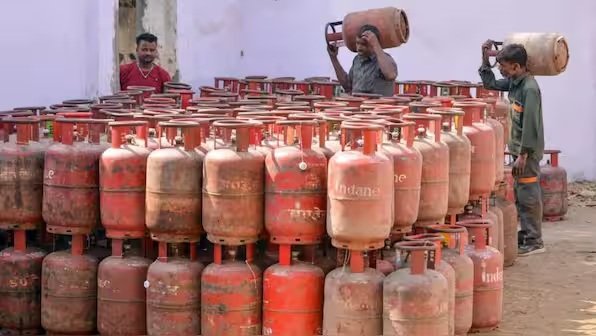
In a proactive move to protect households from potential global supply disruptions, the Government of India has invoked emergency provisions under the Essential Commodities Act, 1955, directing oil refineries across the country to significantly increase production of Liquefied Petroleum Gas (LPG), the primary cooking fuel used by millions of Indian households.
The directive comes at a time of rising geopolitical tensions in West Asia, which have begun to affect energy supply chains and could potentially impact India’s fuel availability.
Government Orders Refineries to Maximise LPG Output
The Ministry of Petroleum and Natural Gas issued the order on March 5, instructing both public and private refineries to maximise the utilisation of propane and butane streams—key feedstocks used in LPG production.
Under the directive, these feedstocks must be exclusively used for cooking gas production and supplied only to the country’s three state-run oil marketing companies:
-
Indian Oil Corporation (IOC)
-
Hindustan Petroleum Corporation (HPCL)
-
Bharat Petroleum Corporation (BPCL)
Refineries have also been instructed not to divert these streams to petrochemical production or other downstream industrial uses.
Geopolitical Tensions Trigger Supply Concerns
The move comes against the backdrop of rising tensions in West Asia, particularly involving the Iran–United States standoff, which has disrupted shipping through the strategically vital Strait of Hormuz.
India currently imports nearly two-thirds of its LPG requirements, with 85–90% sourced from Middle Eastern nations. Any disruption in this corridor could significantly impact supply lines.
Recent shipment halts from major suppliers such as Iraq, Kuwait, and Qatar have further heightened concerns about availability and possible price increases.
Domestic Production to Offset Import Dependence
According to official data, India consumed 31.3 million tonnes of LPG in FY 2024–25, while domestic production stood at 12.8 million tonnes, highlighting the country’s dependence on imports despite having significant refining capacity.
By increasing domestic LPG production, the government aims to:
-
Prevent shortages in the household cooking gas market
-
Stabilise prices and control inflation
-
Reduce reliance on volatile global supply chains
Authorities have also reiterated strict enforcement of the 25-day inter-booking rule for LPG cylinders to prevent hoarding and ensure equitable distribution.
Priority Supply for Essential Services
To manage demand efficiently, imported LPG will be prioritised for essential commercial users such as hospitals, schools, and other critical institutions.
Meanwhile, supplies of Piped Natural Gas (PNG) and Compressed Natural Gas (CNG) remain fully assured, with the government confirming 100% allocation for households and transport sectors.
A special committee of executives from oil marketing companies will also monitor LPG requirements from hotels, restaurants, and other commercial establishments.
Relief for 33 Crore LPG Consumers
The government’s intervention is expected to provide reassurance to more than 33 crore LPG consumers across India, ensuring uninterrupted cooking fuel availability even as global energy markets remain volatile.
The move also aligns with the broader goal of stabilising essential commodities and supporting inflation control in one of the world’s fastest-growing major economies.
Comments are closed.