
Govt Firm on 33% Women’s Quota: 2029 Lok Sabha to See Historic Shift in Representation
The Union government signals efforts to accelerate the rollout of the Nari Shakti Vandan Adhiniyam, aiming to ensure 33% reservation for women in the Lok Sabha and state assemblies by the 2029 Indian general election.

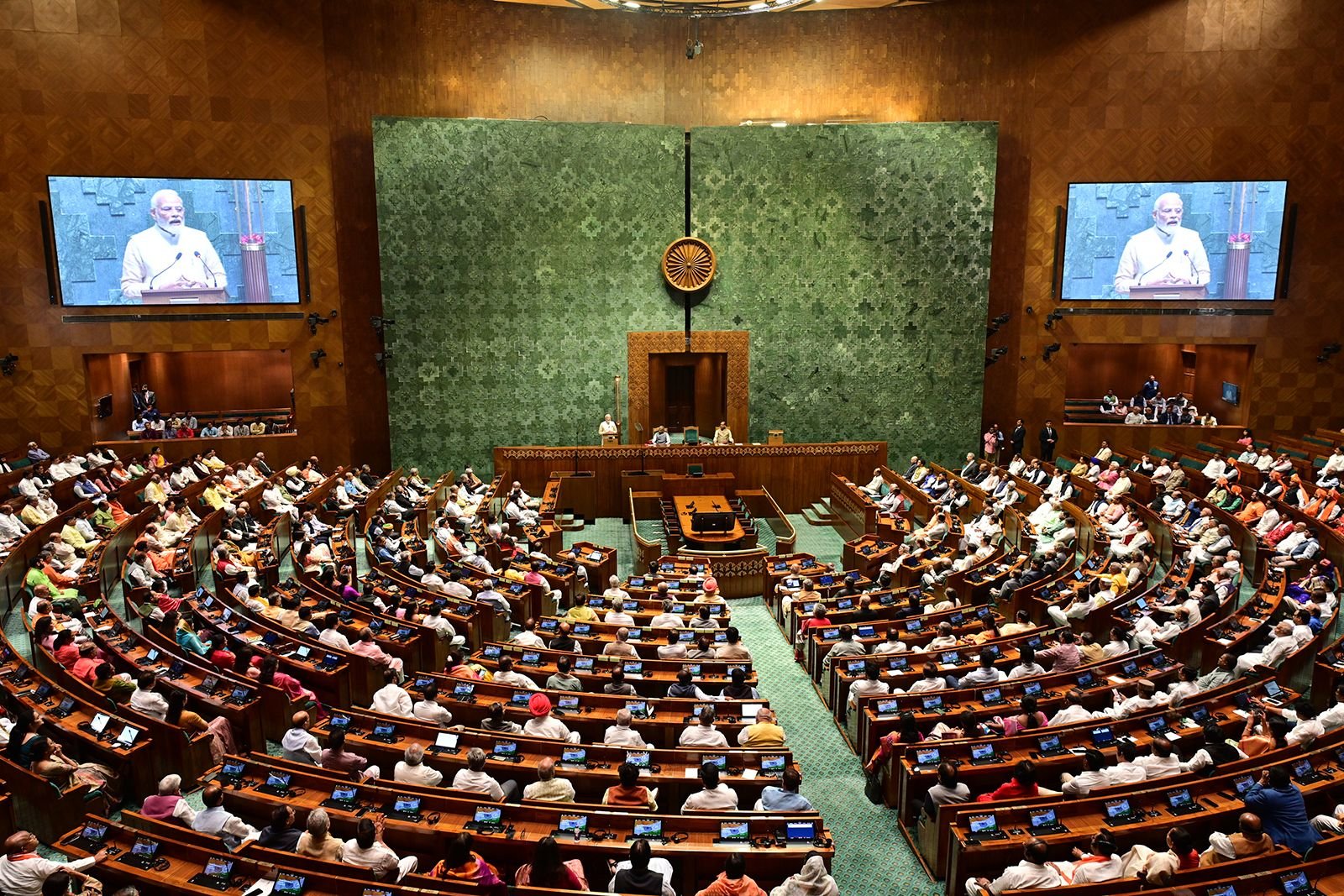
The Union government has reiterated its firm commitment to implementing the landmark Nari Shakti Vandan Adhiniyam, the historic law that mandates 33 per cent reservation for women in the Lok Sabha and state legislative assemblies. The Centre has indicated that the provisions of the Act are likely to be implemented by the time of the 2029 Indian general election, potentially reshaping gender representation in Indian politics.
Informal Consultations on Faster Implementation
According to government sources, discussions have begun on exploring options to expedite the implementation of the Act. Informal consultations are reportedly underway with Opposition parties and allies to examine the possibility of amendments to the 2023 legislation.
The women’s reservation law was passed during a special session of Parliament in 2023. However, its implementation is tied to the completion of the next national census and the subsequent delimitation of parliamentary constituencies. Officials suggest that the government is evaluating mechanisms that could allow women beneficiaries to take advantage of the quota as early as the next Lok Sabha elections.
A Major Step Toward Gender Representation
The Nari Shakti Vandan Adhiniyam is considered a transformative reform aimed at improving women’s participation in the country’s legislative bodies. Once implemented, the law will reserve one-third of seats in the Lok Sabha and state assemblies exclusively for women.
If the reservation is applied to the 543-member Lok Sabha, the number of women MPs could rise to around 181 seats, significantly increasing female representation in national decision-making.
Women Still Underrepresented in Politics
Data from the Association for Democratic Reforms and National Election Watch highlights the extent of gender imbalance in Indian politics. Out of 4,666 MPs and MLAs across the country, only 464 are women, accounting for roughly 10 per cent.
In the current Lok Sabha, there are only 78 women MPs out of 543 seats, which amounts to about 14.36 per cent representation.
A New Chapter for Inclusive Democracy
The implementation of the women’s reservation law is widely seen as a crucial step toward strengthening inclusive democracy in India. Political analysts believe the quota will encourage more women to enter electoral politics, create opportunities for grassroots female leaders, and enhance their role in shaping policy and governance.
The government’s renewed push signals growing political will to address long-standing gender disparities in representation and could mark a significant milestone in India’s parliamentary history.
Comments are closed.