

Bangladesh Turns the Page: BNP’s Big Win and ‘Yes’ Vote Usher in Bicameral Parliament, Term Limits, and Power Shift
Tarique Rahman’s BNP Wins Big as Voters Back Sweeping July Charter Reforms

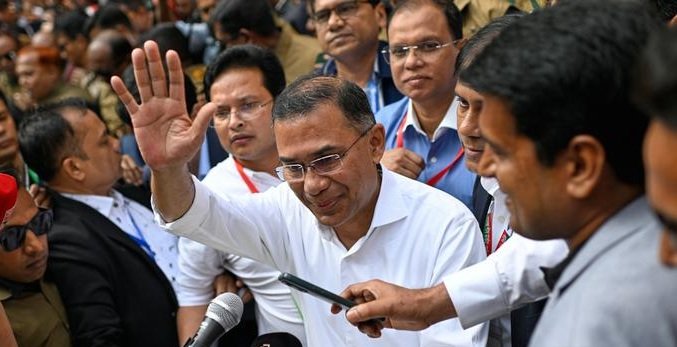
Led by Tarique Rahman, the BNP secured approximately 209–212 seats in the 300-member Jatiya Sangsad, comfortably crossing the majority threshold.
Rahman, son of former President Ziaur Rahman and former Prime Minister Khaleda Zia, is now set to become the next prime minister. The victory marks a remarkable comeback for the BNP after nearly two decades out of power.
The Jamaat-e-Islami finished second with around 68 seats — its strongest performance in a national poll. Smaller groups, including the student-backed National Citizen Party, also made modest gains.
Notably, Hasina’s Awami League was barred from contesting, turning the election into a largely two-cornered battle.
The July Charter: A Vote for Reform
Beyond party politics, voters were asked to decide on the “July Charter,” a reform blueprint born out of the 2024 protests and drafted under the interim administration led by Nobel laureate Muhammad Yunus.
Yunus described the charter as the foundation of a “new Bangladesh,” aimed at decentralising power, curbing authoritarian tendencies, and rebuilding trust in state institutions.
An estimated 60–70% of voters approved the reform package. As a result, the new parliament will also function as a constituent assembly, with 180 days to finalise constitutional amendments.
Key Constitutional Changes Proposed
Bicameral Parliament
The charter proposes transforming Bangladesh’s legislature into a two-house system. A new 100-member upper house — similar to India’s Rajya Sabha — would be formed, with seats allocated proportionally based on national vote share or lower house performance.
Constitutional amendments would require approval from both chambers, including a two-thirds majority in the lower house, making unilateral changes more difficult.
Limits on Prime Ministerial Power
The reforms introduce a maximum 10-year term limit for the prime minister and bar the PM from simultaneously serving as party chief — a move aimed at reducing concentration of power.
Expanded Presidential Authority
The president would gain greater autonomy in appointing heads of key institutions, including the Human Rights Commission, Election Commission, and Bangladesh Bank, without relying solely on cabinet advice.
Repeal of Article 70
One of the most significant proposals is the removal of Article 70, which currently prevents Members of Parliament from voting against their party. Its repeal would allow lawmakers to dissent on key issues without losing their seats.
Stricter Emergency Provisions
Emergency powers would be subject to tighter checks, requiring broader political consultation. Fundamental rights would not be fully suspended during states of emergency.
Restoration of Caretaker Government System
The caretaker government model for overseeing elections would be reinstated, alongside full independence for the Election Commission. The reforms also propose increasing reserved seats for women to enhance representation.
From Protest to Policy
The charter reflects the grievances that fueled the 2024 protests — allegations of corruption, excessive centralisation of power, youth unemployment, and demands for accountability.
Yunus championed a governance model where authority is distributed across institutions rather than concentrated in a single office.
The Challenge Ahead for BNP
For Tarique Rahman and the incoming BNP government, implementation will be the true test. While the party broadly endorsed the reform agenda during campaigning, some BNP leaders had reservations about specific provisions.
With voters delivering both a decisive electoral mandate and a clear endorsement of the July Charter, expectations are high. Failure to enact promised reforms could risk eroding the goodwill generated by this historic election.
A Turning Point for Bangladesh
The 2026 election represents more than a change in leadership — it signals an attempt to structurally reshape Bangladesh’s democracy.
After the upheaval of 2024, the country now stands at a crossroads, cautiously hopeful that institutional reforms and political transition can usher in a more balanced, transparent, and resilient democratic system.
Comments are closed.