

Meta Working on AI Smart Glasses That Could Record Everything You See and Hear, Raising Privacy Concerns
Meta's reported AI-powered smart glasses could continuously capture what users see and hear, sparking fresh concerns over privacy, surveillance, and consent.

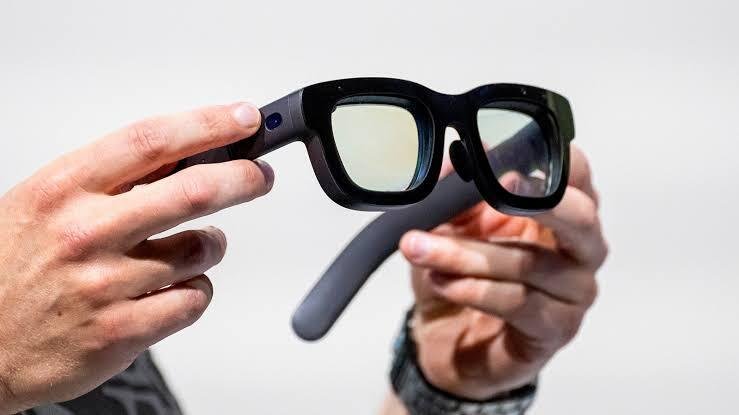
Meta is reportedly developing a new generation of AI-powered smart glasses capable of continuously observing a user’s surroundings, remembering conversations, and identifying places they visit. While the technology promises to function as a highly advanced personal assistant, experts say it could also trigger serious concerns over privacy and surveillance.
According to media reports, the company is testing a new feature internally known as “Super Sensing.” Unlike current smart glasses, where AI features must be manually activated, the upcoming version is expected to operate automatically in the background. The glasses would continuously capture visual and audio information, allowing Meta AI to better understand a user’s daily activities and provide more accurate responses.
How Will the New Feature Work?
The proposed “Super Sensing” feature is designed to give the AI assistant long-term awareness of a user’s environment. By constantly analyzing what the wearer sees and hears, the smart glasses could answer questions such as what happened during the day, where the user visited, or what conversations took place.
The collected information would reportedly be processed by Meta AI to deliver personalized assistance, making the device significantly more capable than existing AI wearables.
Glasses Could Capture Photos and Audio Every Few Seconds
Reports suggest that Meta’s prototype smart glasses are designed to automatically capture images every few seconds while also listening to ambient audio. However, the company is reportedly not planning to permanently store the captured photos or recordings.
Instead, the system is expected to extract metadata from the collected content and upload only that information to Meta’s servers. This metadata would help Meta AI understand context and improve its ability to answer user queries without retaining complete visual or audio recordings.
Growing Concerns Over Privacy
Despite Meta’s reported claim that it will not permanently store captured media, privacy advocates have raised concerns about surveillance and user consent.
Meta has faced criticism in the past over its handling of user data and privacy practices. The company’s history with facial recognition technology has also drawn regulatory scrutiny in several countries.
One of the biggest concerns highlighted in the reports is that the “Super Sensing” feature is expected to function as an AI capability rather than a traditional photo or video recording mode. As a result, the LED indicator light—normally used to signal when the glasses are recording—may remain turned off while the AI is collecting environmental data.
Critics argue that this could make it impossible for people nearby to know whether they are being photographed or recorded without their knowledge or consent, raising significant ethical and legal questions about the future of AI-powered wearable technology.
While Meta has not officially announced the feature or confirmed its commercial rollout, the reported development highlights the growing tension between AI innovation and the protection of personal privacy.
Comments are closed.