
Middle East Conflict Impacts Pakistan, Triggers Multiple Crises
Rising fuel prices, inflation, debt burden, and energy shortages push Pakistan into deep crisis amid US-Iran tensions and disruption of key oil routes.

War Between US and Iran Disrupts Global Routes
The ongoing tensions between the United States and Iran have begun to impact several countries beyond the conflict zone. One of the most affected nations is Pakistan, which is facing a growing economic and humanitarian crisis.
The closure of the strategically important Strait of Hormuz due to the conflict has disrupted global oil supply chains, worsening the situation for import-dependent economies like Pakistan.
Fuel Crisis Deepens Across the Country
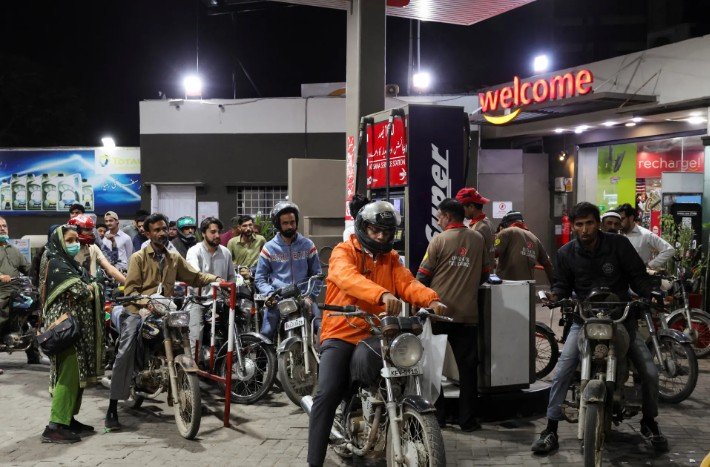
Pakistan is currently grappling with a severe fuel crisis. Petrol and diesel prices have surged significantly in recent weeks, creating widespread public concern. Prime Minister Shehbaz Sharif is facing mounting pressure to stabilize fuel prices.
Although there has been a slight reduction after public backlash, fuel costs remain high, affecting transportation and daily life across the country.
Rising Debt Burden Worsens Economic Strain
Another major challenge for Pakistan is its rising debt burden. The government has taken loans from multiple sources, including the International Monetary Fund (IMF), but the financial crisis continues to deepen.
Reports suggest that creditors are increasing pressure for repayments, while new funding options are becoming limited. Additionally, the United Arab Emirates has reportedly demanded repayment of billions in financial assistance, adding to Pakistan’s economic stress.
Inflation Hits Essential Commodities
The impact of the crisis is being felt most by ordinary citizens. Prices of essential commodities such as flour, rice, pulses, milk, and cooking oil have surged sharply.
Inflation has reached around 7.3%, making daily necessities increasingly unaffordable. The rising cost of living has severely disrupted normal life, pushing many households into financial distress.
Weak Economy Faces Further Risk
Experts warn that the ongoing Middle East conflict could further weaken Pakistan’s already fragile economy. Former finance officials have indicated that if global crude oil prices remain above $100 per barrel, Pakistan’s GDP could decline by 1–1.5%.
Increased petroleum import costs could lead to losses of up to $12–14 billion in the coming year, putting additional strain on the national economy.
Energy Crisis Forces Strict Measures
Pakistan is also facing a severe energy crisis, prompting the government to implement strict conservation measures. In a move similar to pandemic-era restrictions, authorities have reduced government spending and introduced energy-saving policies.
Public offices have cut expenses, meetings are being held virtually, and online education is being encouraged to conserve electricity.
Markets to Shut Early Amid Power Shortage
In a significant step, the government has ordered markets and shopping malls to close by 8 PM to reduce electricity consumption. This decision highlights the severity of the energy shortage, with many areas expected to face darkness soon after evening hours.
A Nation Under Pressure
With rising fuel costs, growing debt, soaring inflation, and an energy crisis, Pakistan is currently battling multiple challenges at once. The situation remains critical, and its resolution largely depends on global developments and domestic economic management.
Comments are closed.