

Middle East on Fire: Iran Targets Israel to Turkey in 11-Day Missile Barrage
Regional tensions escalate as Iran launches missile and drone strikes across 11 nations following the reported death of Ali Khamenei in a joint operation by United States and Israel.

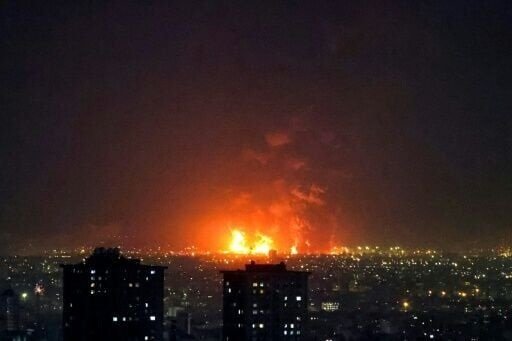
The Middle East has been thrust into one of its most volatile periods in recent history after Ali Khamenei reportedly died on February 28 following a joint operation allegedly carried out by the United States and Israel. In response, Iran has launched a sweeping wave of missile and drone attacks across the region, escalating tensions and raising fears of a wider war.
According to regional reports, the retaliatory campaign—largely executed by the Islamic Revolutionary Guard Corps (IRGC)—has targeted military, energy, and infrastructure sites across 11 countries between February 28 and March 10.
Eleven Nations Targeted in 11 Days
Iran’s strikes have reportedly hit or threatened locations in multiple countries including:
-
Israel
-
Saudi Arabia
-
United Arab Emirates
-
Bahrain
-
Qatar
-
Kuwait
-
Iraq
-
Oman
-
Azerbaijan
-
Cyprus
-
Turkey
The attacks reportedly involve ballistic missiles, cluster munitions, and swarms of drones, many aimed at U.S. military installations, oil refineries, airports, embassies, and strategic infrastructure.
Israeli Cities Under Heavy Fire
Several major urban centres in Israel, including Tel Aviv and Rishon LeZion, were reportedly struck by heavy missile barrages.
Iranian officials have claimed the attacks resulted in significant casualties among Israeli forces, although independent verification of these claims remains limited.
Air defence systems across Israel have been operating at maximum capacity as authorities attempt to intercept incoming projectiles.
Gulf States Face Missile and Drone Barrage
The conflict has also spread across the Gulf region.
In the United Arab Emirates, officials reported more than 1,400 projectiles launched in recent days, including 16 ballistic missiles and 200 drones on March 9 alone. Explosions were reported near Dubai International Airport, while a fire broke out close to the U.S. Consulate.
In Saudi Arabia, operations at the Ras Tanura oil refinery were halted after infrastructure was hit, while drones were intercepted above the Shaybah oil field.
Damage and Casualties Across the Region
Several other countries reported impacts from the Iranian campaign:
-
Bahrain: At least 32 people injured following drone strikes and a refinery fire.
-
Qatar: Damage reported at Al Udeid Air Base; U.S. Embassy temporarily closed.
-
Kuwait: Two soldiers killed in strikes targeting sites linked to U.S. forces.
-
Iraq: Oil fields and Baghdad International Airport targeted.
-
Oman: Maritime tanker reportedly attacked in regional waters.
-
Azerbaijan: Several drones crashed after air defence interceptions.
-
Turkey: Authorities reported intercepting a missile approaching their airspace.
Global Concerns Over Escalation
Iran has vowed what it calls “endless vengeance” following the death of Ali Khamenei. The crisis has also drawn international attention to the role of Donald Trump, whose administration has been deeply involved in the escalating confrontation with Tehran.
Diplomatic efforts are intensifying worldwide as governments attempt to prevent a full-scale regional war.
Energy Markets and Global Stability at Risk
With attacks affecting oil infrastructure and shipping routes across the region, analysts warn the conflict could disrupt global energy supplies and destabilise international markets.
The 11-day bombardment campaign has already placed several countries on high alert, marking one of the most widespread and dangerous escalations in modern Middle Eastern history.
Comments are closed.