

New Hope for Diabetics: Can Surgery Wipe Out Type-2 Forever?
AIIMS highlights metabolic surgery as a promising option for Type 2 diabetes patients, but cautions it’s not a universal solution.

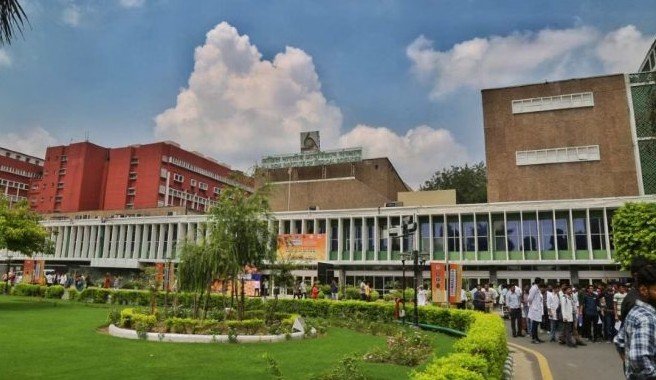
In a development that could transform diabetes management in India, experts at the All India Institute of Medical Sciences (AIIMS) are hailing metabolic surgery as a potential “game-changer” for certain Type 2 diabetic patients. However, specialists caution that it is not a universal solution.
Dr. Manjunath from the Surgery Department at AIIMS emphasizes the importance of identifying the right beneficiaries before considering the procedure.
Diabetes in India: A Silent Epidemic
Diabetes has long been a silent epidemic in India, compelling patients into a lifelong regimen of medications, insulin injections, and strict dietary controls. With no outright cure, the disease has been a constant challenge for millions.
Metabolic surgery, a bariatric-like procedure, is now emerging as an alternative. The operation alters the stomach and reroutes parts of the intestines, improving insulin sensitivity and enabling the body to regulate blood sugar naturally. Minimally invasive, the surgery requires only a few small incisions, offering quicker recovery and, for many, potential remission of the disease.
Who Can Benefit from Metabolic Surgery?
According to Dr. Manjunath, the procedure is suitable primarily for Type 2 diabetic patients who struggle with uncontrolled blood sugar, obesity, and high body mass index (BMI), particularly when medications fail to provide adequate control.
“We reduce the size of the stomach and modify digestion so that the body’s natural sugar-control mechanisms are activated,” he explains. Early results are promising, with eligible patients showing significant health improvements, reduced dependence on daily injections, and a lower risk of diabetes-related complications.
Limitations and Precautions
Experts caution that metabolic surgery is not appropriate for everyone. Type 1 diabetic patients, whose pancreas stops producing insulin, will not benefit from this procedure.
Eligibility requires comprehensive examinations, including assessments of heart and kidney function, as well as consideration of age and overall health. Post-surgery, lifestyle modifications remain essential. Deviating from recommended habits can negate the benefits gained from the procedure.
A Promising, Yet Cautious Step Forward
While metabolic surgery offers hope amid India’s growing diabetes crisis, specialists stress that it must be approached with careful consideration. “Drastic, but not a panacea,” says Dr. Manjunath.
For patients seeking potential relief, consultation with specialists is critical. In select cases, the path to better health may lie not just in medication but in the precision of a scalpel.
Comments are closed.