

Cold Wave Intensifies: 16 Cities Below 10°C, Jharsuguda Sets New Low
Jharsuguda records lowest temperature in 72 years as severe cold wave grips Odisha

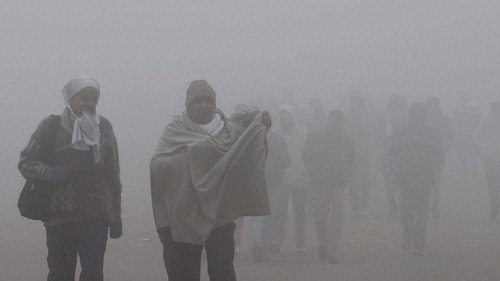
Residents of Jharsuguda woke up to a bone-chilling 5.1°C this morning, marking the coldest night in the district since 1953. The historic low broke a 72-year-old record and reinforced the hold of winter over large parts of Odisha. The India Meteorological Department (IMD) has issued alerts for a severe cold wave sweeping across the state.
Freezing Temperatures Across the State
Odisha is experiencing record-low temperatures, with minimums dropping below 10°C in 16 cities. Some of the significant readings include:
-
Rourkela: 6.6°C
-
Kirei, G. Udayagiri, Daringbadi, Sundargarh: 7.5–7.6°C
-
Bhubaneswar: 23.8°C during the day (-4.8°C below normal)
-
Cuttack: 10°C at night
Daytime highs in nine large urban centres remained at 24°C or below, indicating the persistence of cold conditions throughout the day.
Impact on Wildlife and Forest Areas
The cold wave has also affected Odisha’s wildlife reserves. Similipal Tiger Reserve recorded temperatures as low as -3°C, raising concerns for animals in the forest. Officials of the Similipal Tiger Conservation Project reported sub-10°C readings in some forest regions, highlighting the severity of winter even in dense forested areas.
IMD Alerts and Safety Measures
The IMD has issued warnings for cold wave conditions in several districts including:
Jharsuguda, Sundargarh, Koraput, Anugul, Cuttack, and Jagatsinghpur, along with potential light to moderate fog.
The low-pressure system over the southeast Bay of Bengal is identified as the key factor behind the severe cold. Officials predict that the extreme temperatures will persist for the next four days, after which a gradual increase of 2–3°C is expected to provide some relief.
Authorities Urge Public Caution
With Odisha experiencing one of the harshest winters in recent decades, authorities are urging residents, especially vulnerable groups like children, the elderly, and outdoor workers, to take precautions against the cold.
Health officials recommend wearing warm clothing, limiting exposure to early morning and late-night chills, and monitoring updates from local authorities to ensure safety during this extreme cold spell.
Comments are closed.