
Odisha Introduces New DMF Fund Sharing Mechanism for Mining-Affected Districts
New rules ensure DMF funds are spent only within mining-affected areas, with a 70:30 allocation for directly and indirectly impacted regions and a transparent mechanism for inter-district fund sharing.

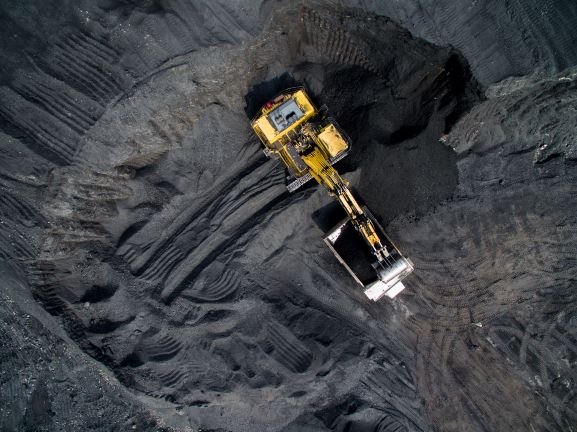
The Odisha government has introduced a new mechanism for the sharing and utilisation of District Mineral Foundation (DMF) funds among mining-affected districts, aiming to ensure that the funds are spent exclusively on communities impacted by mining activities. The new system came into effect on June 1.
The Planning and Convergence Department has issued a resolution outlining the revised framework, which is expected to enhance transparency, accountability, and targeted development in mining regions.
Funds to Be Spent Within Mining Impact Zones
Under the new guidelines, DMF funds generated from a mine will be utilised only in areas directly and indirectly affected by that specific mining operation.
The government has stipulated that 70 percent of the funds will be allocated to directly affected areas, while 30 percent will be earmarked for indirectly affected regions.
Areas located within a 15-kilometre radius of a mine’s boundary will be classified as directly affected. Regions situated between 15 km and 25 km from the mine boundary will be considered indirectly affected.
Importantly, the state government has clarified that DMF funds cannot be used in any area beyond a 25-kilometre radius from the mine under any circumstances.
New Formula for Inter-District Fund Sharing
The resolution also introduces a structured mechanism for sharing DMF funds when the impact of a mine extends across multiple districts.
In such cases, funds will be distributed among affected districts based on the extent of mining-affected area falling within each district’s jurisdiction. The move is intended to ensure equitable allocation of resources and prevent disputes over fund distribution.
ORSAC to Help Identify Affected Areas
To implement the new framework, the Director of Mines and Geology will work closely with the Odisha Space Applications Centre (ORSAC) to map and identify mining-affected regions using geographical data.
The identified areas will be communicated to the respective district collectors. Subsequently, the Deputy Director of Mines in the district where the mine is located will calculate the district-wise share of DMF funds after obtaining approval from the collector.
The information will then be shared with neighbouring districts, the Director of Mines and Geology, and the DMF Support Cell under the Planning and Convergence Department.
Part of Larger Transparency Reforms
The latest initiative is part of a broader effort by the Odisha government to strengthen governance and accountability in the utilisation of DMF funds.
Last year, the state amended the District Mineral Foundation Rules, 2015, introducing measures to safeguard mining revenues for local development. The amendments prohibited the transfer of DMF funds to the state treasury, state-level funds, the Chief Minister’s Relief Fund, or any unrelated government schemes.
Officials believe the new mechanism will ensure that mining-affected communities receive a fair share of the benefits generated from mineral extraction while promoting balanced and sustainable development in affected regions.
Comments are closed.