

Y Chromosome on the Brink? Scientists Debate If Men Need a Genetic Makeover
Scientists Debate the Future of the Y Chromosome as Male DNA Faces Potential Erosion

The Controversy Over the Y Chromosome
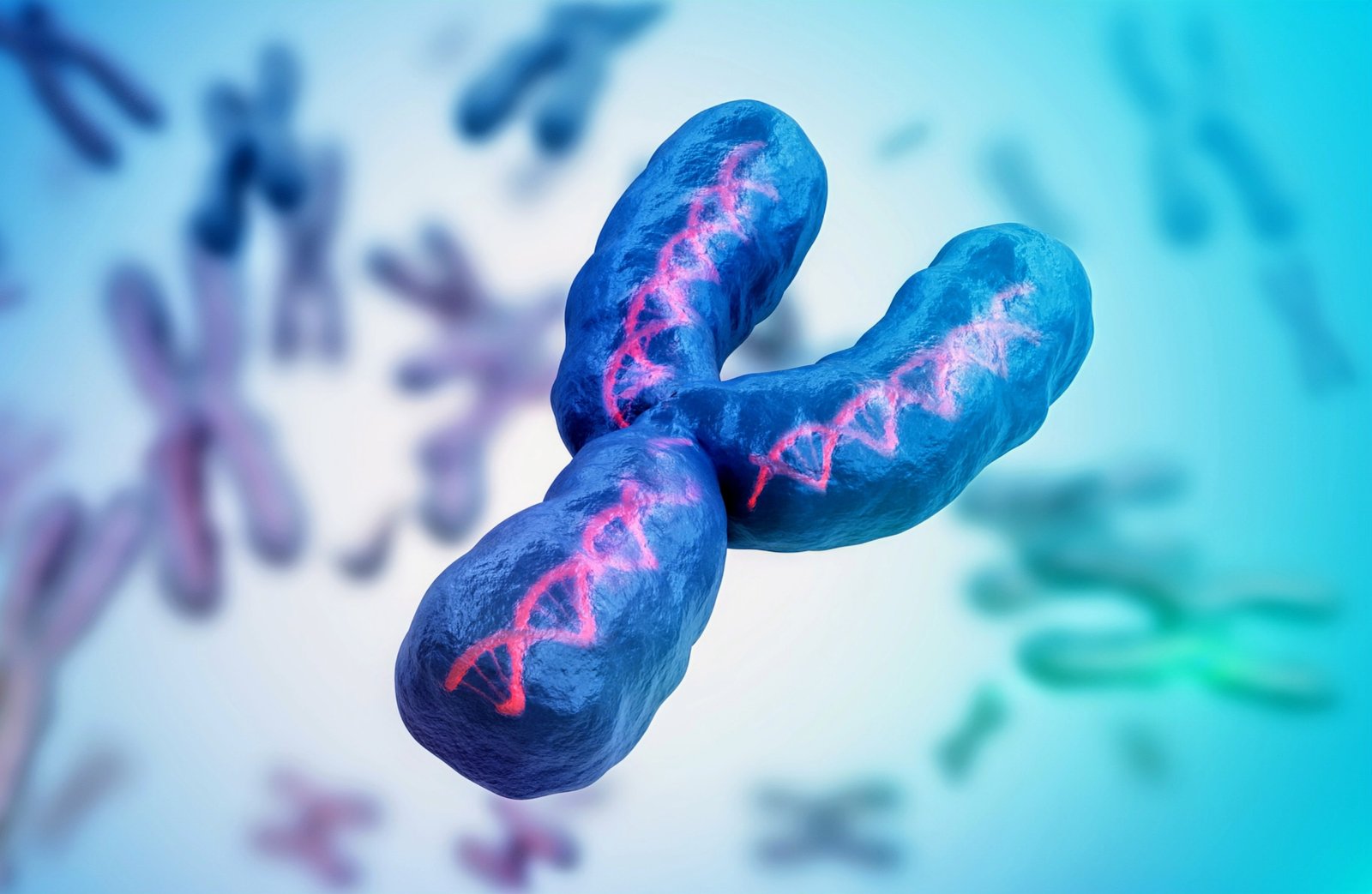
The slender strand of DNA that defines male identity—the Y chromosome—may be on a slow path to disappearance, sparking heated debates among biologists worldwide. Over millions of years, the Y chromosome has lost a staggering 97% of its original genes, leaving only a skeletal 3% intact. Evolutionary geneticist Jenny Graves warns that, if the current trend continues, the Y could vanish entirely in a few million years, potentially forcing the human race to adapt in unprecedented ways.
Stability Amid Fear
Not all scientists are sounding the alarm. MIT researcher Jennifer Hughes presented data in 2012 showing that the Y chromosome has remained remarkably stable for the past 25 million years. Hughes emphasizes that the core genes essential for male development are tightly conserved and unlikely to disappear, as evidenced by primates whose Y chromosomes have shown minimal change over time.
Lessons from the Animal Kingdom
Nature provides examples of species that have survived without a Y chromosome. In Eastern Europe, mole voles abandoned their Y chromosomes long ago, yet males continue to exist through relocated sex-determining genes. Similarly, Japan’s spiny rats replaced their Y chromosome with a new genetic switch to maintain sexual balance. These cases suggest that even if the human Y were to degrade further, biological mechanisms could emerge to preserve male traits.
The Scientific Debate Continues
The debate over the Y chromosome is far from new. Graves and Hughes famously clashed at a 2011 summit, dividing scientists into camps over the potential fate of male DNA. While no one can predict the future, the discussion underscores the remarkable adaptability of species. Evolution may have a plan in store, ensuring that humanity continues to survive, even in the face of a possible male DNA overhaul.
Evolution’s Hidden Tricks
Ultimately, the fate of the Y chromosome remains uncertain. While Graves warns of potential erosion, the natural world demonstrates that species adapt in ingenious ways. Men may one day receive an “informal upgrade” in their genetic code, highlighting evolution’s capacity to balance both survival and resilience. Biology, after all, can be as unforgiving as it is clever.
Comments are closed.