

22 of World’s 25 Most Polluted Cities Are in India, AQI Ranking Reveals
22 of the world's 25 most polluted cities are in India, with Meerut ranking second globally as rising pollution threatens public health across multiple states.

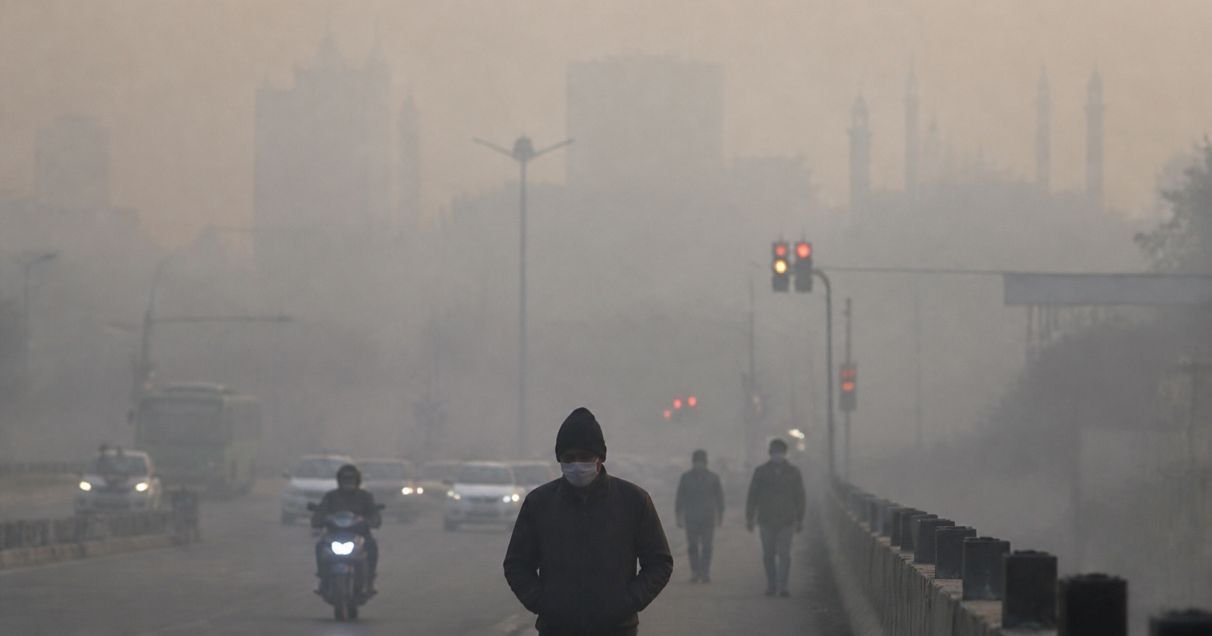
India’s air pollution crisis is no longer limited to the national capital, Delhi, but is spreading across several parts of the country. According to real-time rankings released by AQI.in at 11 am on Saturday, October 24, 2026, 22 of the world’s 25 most polluted cities are located in India. The findings highlight the growing threat of poor air quality to millions of people.
Cities in Uttar Pradesh, Haryana, Punjab and Maharashtra feature prominently on the list, raising concerns about the worsening pollution situation across northern and western India.
Meerut Ranks Second Globally
Uttar Pradesh’s Meerut recorded an Air Quality Index (AQI) of 386, placing it second among the world’s most polluted cities, according to the report.
Ghaziabad ranked fourth with an AQI of 370, while Panipat in Haryana secured fifth place with a reading of 369. Noida and Greater Noida also featured among the world’s 10 most polluted cities, recording AQI levels of 367 and 361, respectively.
Other Indian cities on the list include Hapur, Muzaffarnagar, Moradabad, Sonipat and Karnal. Maharashtra’s Bhiwandi and Thane, Punjab’s Bathinda and Rajasthan’s Sri Ganganagar were also among the cities experiencing dangerously high pollution levels.
Delhi Drops Out of the Top 25
Despite its persistent air pollution problems, Delhi did not feature in the latest list of the world’s 25 most polluted cities.
The national capital recorded an AQI of 337 on October 23. At 9:31 am on Saturday, October 24, its AQI reportedly fell by 41 points, marking a temporary improvement in air quality.
However, the decline does not mean that Delhi’s pollution crisis has been resolved. The city’s air quality remains a serious concern, and residents continue to face potential health risks from polluted air.
Winter Could Worsen Pollution
Meteorologists warn that air pollution levels in Delhi and neighbouring regions could deteriorate further as winter approaches.
Reduced wind speeds during the colder months can prevent pollutants from dispersing, allowing harmful particles to accumulate near the ground. Stubble burning in neighbouring states is another factor that can contribute to worsening air quality in the national capital and surrounding areas.
The latest rankings underline the need for sustained pollution-control measures, stronger monitoring and coordinated action among states to protect public health.
Comments are closed.