

Biju Expressway: Western Odisha’s Lifeline or a Road to Disaster?
Crores spent on Western Odisha’s flagship road project, but the failed Udanti bridge in Nuapada has raised serious questions over construction quality, accountability, and public safety.

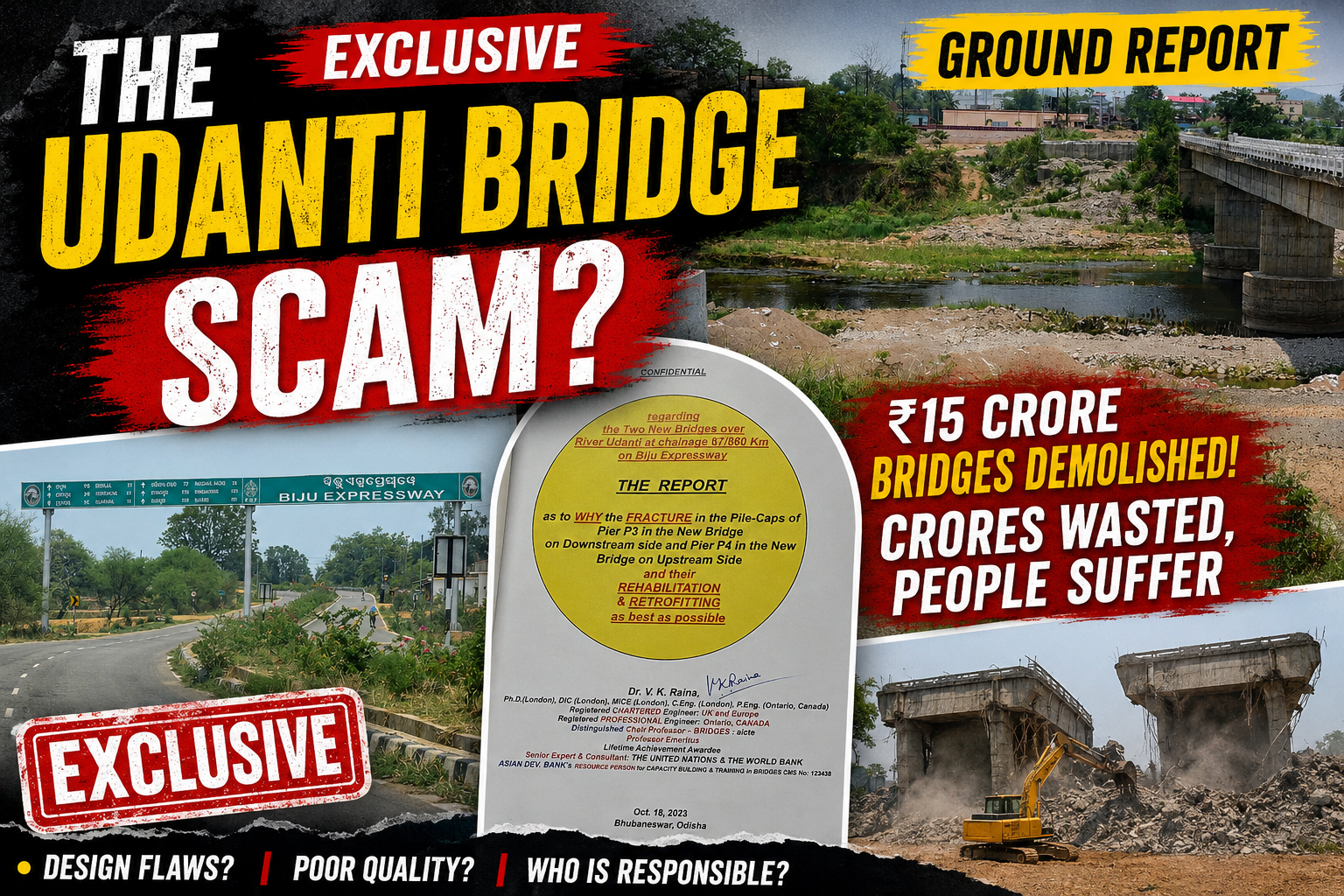
For years, the Biju Expressway was projected as a transformative infrastructure project that would accelerate the development of western Odisha. Conceived as a major connectivity corridor, the highway was expected to strengthen links with neighbouring states such as Jharkhand and Chhattisgarh, boost trade, improve transportation, and provide farmers easier access to national markets.
However, the reality on the ground paints a starkly different picture. Instead of becoming a symbol of progress, several stretches of the expressway have raised serious concerns over safety, construction quality, and accountability. Critics now describe parts of the corridor as a “killer road” rather than a development highway.
A Mega Project Meant to Transform Western Odisha
Stretching over 656 kilometres, the Biju Expressway was designed to connect key towns and cities including Chandili, Borigumma, Nabarangpur, Papadahandi, Ambapani, Dharamgarh, Sinapali, Nuapada, Paikmal, Padampur, Sohela, Bargarh, Sambalpur, Jharsuguda, Sundargarh and Rourkela.
Built at an estimated cost of Rs 1,471 crore, the two-lane corridor was envisioned as a crucial economic artery for western Odisha. Authorities have also proposed upgrading nearly 258 kilometres of the route into a four-lane highway, requiring additional investment worth hundreds of crores of rupees.
Yet, despite the massive expenditure, questions continue to be raised about the quality of construction and the benefits reaching ordinary citizens.
Udanti Bridge Raises Serious Questions
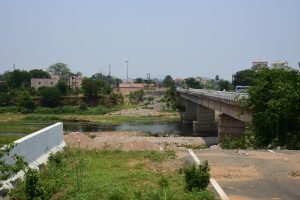
One of the most controversial examples is the bridge project over the Udanti River near Sinapali in Nuapada district.
What was meant to be a key infrastructure component of the Biju Expressway has now become a symbol of alleged mismanagement and wasteful expenditure. Commuters travelling along the route face significant inconvenience due to the incomplete and damaged bridge infrastructure.
According to local residents, three bridges once existed at the site. However, two newly constructed bridges, reportedly built at a cost exceeding Rs 15 crore, have already been demolished after remaining non-functional for years. The only surviving structure is an old bridge built in 1992, which now bears the entire traffic load of the expressway despite concerns over its long-term safety.
Expert Report Points to Design Flaws
Technical assessments reportedly revealed major defects in the bridge’s design and construction.
Experts found that the bridge foundation piles were driven only about eight metres deep after engineers allegedly misjudged subsurface conditions. Such foundation depth is considered inadequate for a major river bridge.
The report also highlighted concerns regarding the placement of piles beneath the bridge piers and alleged use of substandard construction materials. Cracks reportedly appeared within a short period after construction, raising serious questions about quality control and engineering oversight.
Questions Over Tendering and Project Approval
The controversy has also sparked questions regarding the selection of contractors and the approval process.
Critics have alleged that the contractor entrusted with the project lacked adequate experience in bridge construction. Further concerns have been raised over whether key technical drawings received proper scrutiny and approval from senior engineering officials before work commenced.
The episode has triggered demands for a thorough investigation into the project, including the roles of contractors, consultants, and departmental officials involved in its planning and execution.
Public Suffers as Project Remains Stalled
While crores of rupees have already been spent, local residents continue to bear the consequences of the failed project.
For more than a year, commuters, traders, transport operators and emergency services have faced difficulties due to traffic restrictions and bottlenecks near the bridge site. Business activities have been affected, travel times have increased, and concerns over public safety remain unresolved.
Despite multiple technical reviews and expert consultations, there is still no clear timeline for the completion of a permanent solution.
Demand for Accountability Grows
The condition of the Udanti River bridge has become a larger symbol of concerns surrounding infrastructure governance and public spending.
Residents and civil society groups are demanding accountability from both contractors and government officials responsible for supervising the project. They argue that such large-scale failures not only result in financial losses but also put public lives at risk.
As questions continue to mount, people are seeking answers on when a safe and durable bridge will finally be built and whether those responsible for the alleged lapses will be held accountable.
Until then, a project that was envisioned as the lifeline of western Odisha continues to face criticism for becoming a troubling example of how development can go off track.
Comments are closed.