

LPG Cylinder Fire: What to Do and How to Stay Safe
LPG cylinder fires can turn dangerous within seconds; knowing the right safety steps can help prevent injuries and major damage.

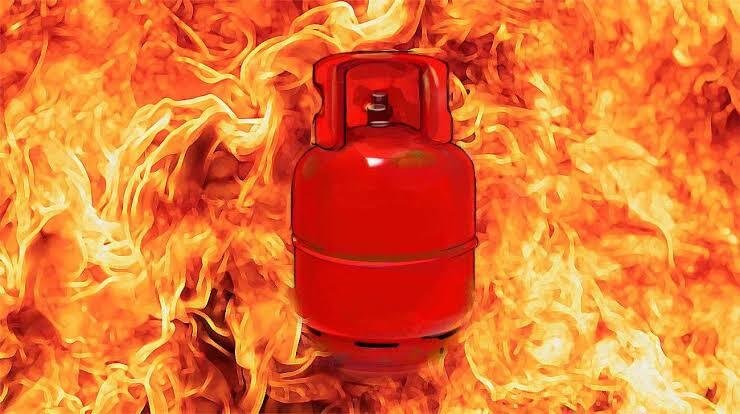
LPG cylinders are used in almost every household, but a small mistake can sometimes lead to a serious fire accident. Knowing the right safety measures can help prevent injuries and minimise damage during an emergency.
What to Do if an LPG Cylinder Catches Fire?
The first priority should be personal safety. If a fire starts around the cylinder or regulator, do not panic. If it is safe to do so and the regulator can be reached without coming close to the flames, turn off the gas supply.
Do not attempt to move, lift or shake a burning cylinder. If the fire is growing or the regulator cannot be safely accessed, evacuate everyone from the house immediately and maintain a safe distance.
Never throw water directly onto a gas fire. If the fire cannot be controlled safely, call the fire service and alert nearby residents. Do not take unnecessary risks or attempt to handle the cylinder yourself.
Important LPG Safety Rules
Always use an ISI-marked LPG hose and inspect it regularly for cracks, damage or deterioration. Replace the hose when required.
After cooking, ensure that the gas supply is switched off properly. The kitchen should also have adequate ventilation to prevent gas from accumulating in case of a leak.
If you smell LPG, do not switch electrical appliances or lights on or off, as a spark could ignite the leaked gas. Open doors and windows if it can be done safely, leave the area and contact the LPG distributor or emergency services from a safe location.
Most importantly, never try to repair a leaking regulator, cylinder or gas connection yourself. Professional assistance should be sought for any suspected LPG leak or equipment fault.
Safety should always come first. If an LPG fire becomes uncontrollable, leave the premises immediately rather than attempting to extinguish it yourself.
Comments are closed.