

No More Gutkha or Zarda: Odisha Implements Full Prohibition on Nicotine Products
Odisha enforces total ban on tobacco products, including gutkha, pan masala, zarda, and khaini, to protect public health and prevent cancer.

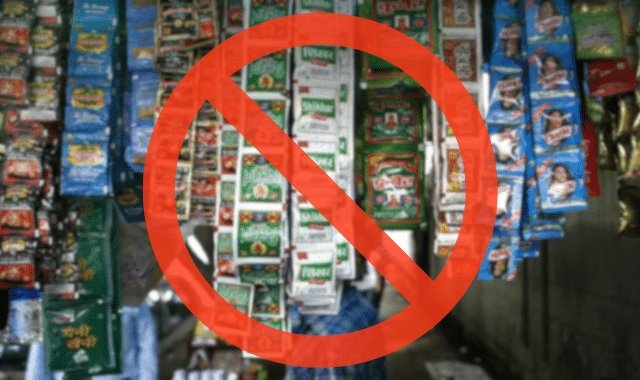
In a decisive move to protect public health, the Odisha Government has announced a total ban on all forms of tobacco products in the state. The ban, implemented under the guidance of the Supreme Court, covers gutkha, pan masala, zarda, khaini, and all other products containing nicotine, prohibiting their manufacture, packaging, storage, transportation, sale, and commerce.
Health Risks Cited as Key Reason
The Health Department cited alarming statistics from the International Agency for Research on Cancer (IARC) and the World Health Organization (WHO), which identify products like zarda and khaini as leading causes of cancer. Other smokeless forms, such as pan masala, paan, gua, and dhuaanpatra, were also recognized as harmful to health.
The second round of the Global Adult Tobacco Survey revealed that 42% of Odisha’s population uses tobacco, nearly double the national average, prompting urgent action from state authorities.
Legal Backing and Previous Attempts
The ban is enforced under the Food Safety and Standards (Prohibition and Restriction on Sales) Regulations, 2011. Odisha had initially banned the sale of tobacco products in 2013; however, manufacturers circumvented the law by packaging tobacco and chewing components separately, which allowed consumers to combine them.
The new Supreme Court guidelines have empowered states to close loopholes, allowing Odisha to take stricter measures and ensure full compliance.
Government Crackdown on Tobacco Industry
Authorities have launched a strict crackdown on production, distribution, and sale of tobacco products. The state aims to eliminate all evasion tactics and ensure that the ban is enforced effectively across urban and rural areas alike.
Protecting Future Generations
Health officials hope that the rigorous measures will significantly reduce tobacco-related illnesses and protect future generations from the “silent killer.” The government has emphasized that the ban is a long-term investment in the health and well-being of the population.
Comments are closed.