

Bay of Bengal on Alert: Low Pressure Likely to Form, But No Major Threat Forecast
Weather system may develop around December 31; no coastal warnings issued yet

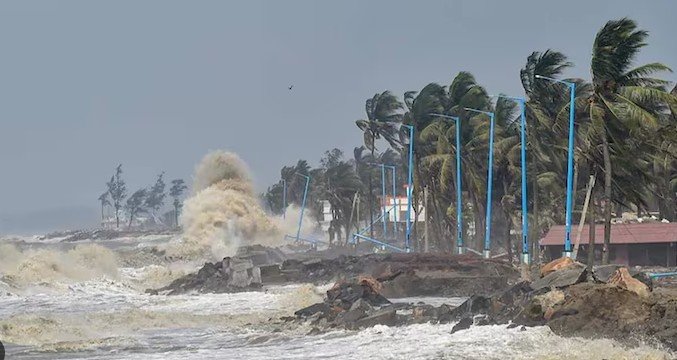
System Expected to Develop Around December 31
Weather agencies have indicated that a low-pressure area is likely to form over the southern Bay of Bengal around December 31. Meteorologists say the system may initially take on a cyclone-like structure before settling into a low-pressure formation, with another weak low possibly emerging along the equatorial region by January 3.
System Likely to Remain Stationary
According to forecasters, the developing weather system is expected to remain largely stationary over the southern Bay of Bengal for at least a week. At present, there is uncertainty regarding its eventual track, strength, and intensity, making it difficult to predict its long-term impact.
Multiple Possible Movement Scenarios
Meteorological models suggest several possible movement paths for the system. It may drift eastward towards Indonesia, move westward in the direction of Sri Lanka, or take a different route within the Bay of Bengal. Importantly, current projections do not indicate a direct movement towards the Indian coastline.
No Cyclone Warning for East Coast States
Authorities have clarified that no cyclone or severe weather warnings have been issued so far for coastal states such as Odisha, Andhra Pradesh, or West Bengal. The presence of a secondary weak equatorial low is also expected to limit the system’s intensification, reducing the likelihood of it developing into a strong cyclone.
Impact During Northeast Monsoon Season
The potential development comes amid the ongoing northeast monsoon season, a period when such systems can influence rainfall distribution. While widespread heavy rainfall is not anticipated at this stage, intermittent and uneven showers cannot be ruled out in some regions.
Authorities Maintain Vigil, Public Advised Caution
State governments and disaster management authorities are closely monitoring the situation. Residents in coastal and eastern regions are advised to stay updated through regular bulletins issued by the India Meteorological Department (IMD) and follow official advisories as the situation evolves.
Comments are closed.