

Caste Identity and Faith: Supreme Court Clarifies Legal Standing for Converted Individuals
Supreme Court Clarifies That Religious Conversion Results in Immediate Loss of Scheduled Caste Status and Legal Protections Under SC/ST Act

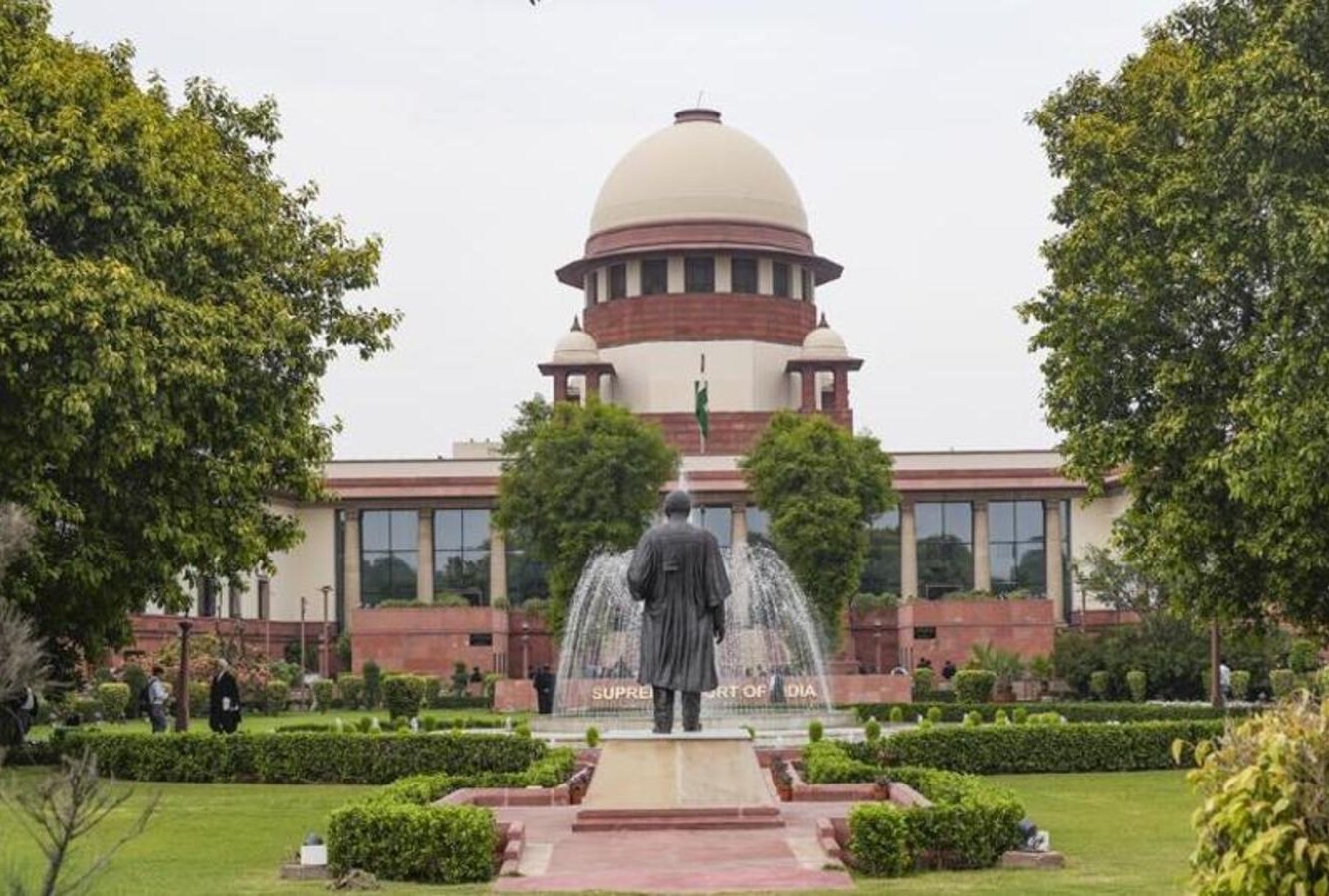
In a significant ruling, the Supreme Court of India on Tuesday held that individuals who convert from Hinduism to Christianity or any other religion—except Sikhism and Buddhism—will lose their Scheduled Caste (SC) status. The judgement draws a firm constitutional boundary between religious identity and caste-based legal protections.
Bench Upholds Constitutional Framework
A bench comprising Justices Prashant Kumar Mishra, N. V. Anjaria, and Manmohan upheld a prior ruling of the Andhra Pradesh High Court. The court reiterated that the Constitution (Scheduled Castes) Order, 1950 imposes an absolute restriction, limiting SC status to individuals professing Hinduism, Sikhism, or Buddhism.
Conversion Leads to Loss of Legal Protections
The bench emphasized that conversion to any religion outside the ambit of the 1950 Order results in the immediate loss of Scheduled Caste status. Consequently, such individuals are no longer entitled to protections under the Scheduled Castes and Scheduled Tribes (Prevention of Atrocities) Act.
The court clarified that even possession of a valid caste certificate does not override this restriction if the individual has voluntarily converted.
Case Background: Pastor’s Appeal Rejected
The ruling came in response to a case involving Chinthada Anand, a village pastor from Andhra Pradesh. Anand had filed a complaint under the SC/ST Act alleging caste-based abuse and assault.
However, the accused challenged the FIR, arguing that Anand, being a practising Christian, no longer qualified as a member of a Scheduled Caste. The court accepted this argument, noting that religious identity at the time of the incident is the determining factor.
No Exceptions to the Rule
The apex court made it clear that the constitutional bar is absolute and does not allow for exceptions. It stated that individuals professing religions other than Hinduism, Sikhism, or Buddhism cannot claim Scheduled Caste status under any circumstances.
Implications for Future Cases
This judgement is expected to have far-reaching implications for cases involving religious conversion and caste-based protections. It reinforces the legal principle that caste status, for constitutional purposes, is inseparably tied to specified religious identities.
The ruling is likely to influence future litigation involving claims under the SC/ST Act, particularly in cases where questions of religious conversion arise.
Comments are closed.