

Dhenkanal Gajalaxmi Puja: A Century-Old Tradition of Faith and Unity
Dhenkanal’s century-old Gajalaxmi Puja, which began in 1923, celebrates faith, culture and community unity through 11 days of grand festivities, decorated mandaps and vibrant cultural programmes.

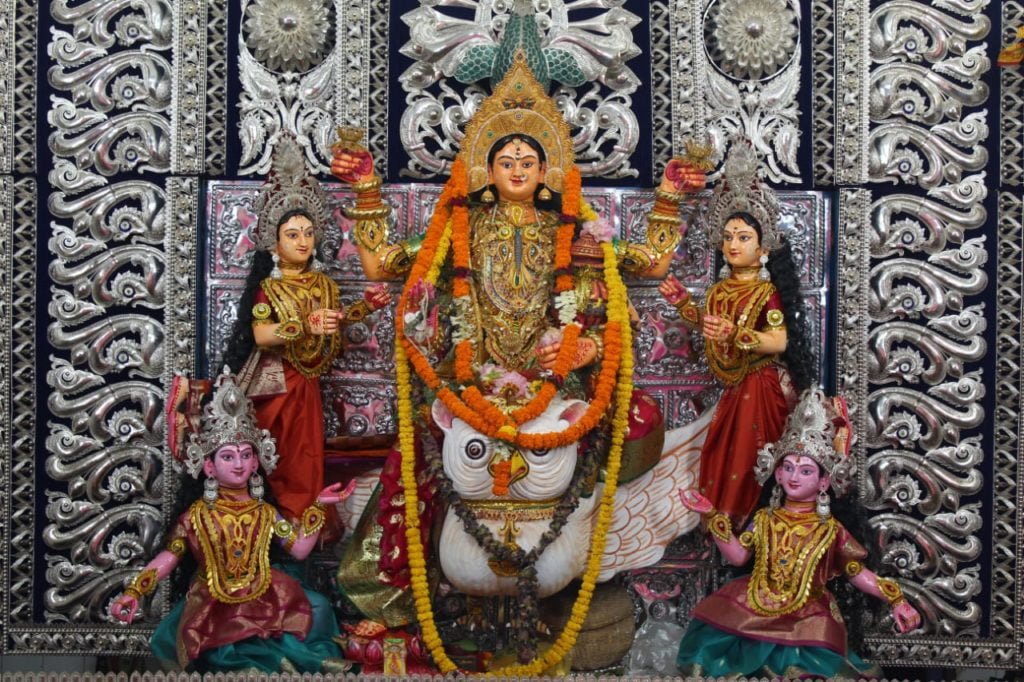
Dhenkanal’s famous Gajalaxmi Puja is one of Odisha’s most celebrated festivals, bringing the town alive with devotion, dazzling lights and cultural festivities. Dedicated to Goddess Gajalaxmi, the festival symbolises wealth, prosperity, peace and well-being. Over the years, it has evolved into a major community celebration, reflecting the town’s rich cultural heritage and collective faith.
Puja Tradition Dates Back to 1923
According to local traditions and historical accounts, Gajalaxmi Puja in Dhenkanal began in 1923. Initially organised on a modest scale, the festival gradually grew into a major annual event. The early celebrations were reportedly held at Kunj Sahu Chhak near the present-day Ganesh Bazaar.
Local accounts mention the contributions of Brijakishore Patnaik, Natabar Debata and Gatikrishna Patnaik to the early celebrations. In the initial years, bamboo structures, leaves and petromax lamps were used to decorate the puja mandaps.
After interruptions, the festival was revived in 1943 at the present-day Meena Bazaar, formerly known as Majhigarh, through the efforts of Natabar Debata, Sanatan Sahu and other local residents.
Eleven Days of Festivities
Unlike many other celebrations, Dhenkanal’s Gajalaxmi Puja generally continues for around 11 days, beginning on Kumar Purnima. Markets and street junctions across the town feature beautifully decorated mandaps, elaborate lighting, attractive gateways and idols of Goddess Gajalaxmi.
Fairs, cultural programmes and commercial activities add to the festive atmosphere, attracting visitors and creating business opportunities for local traders, artisans and entrepreneurs.
A Symbol of Unity and Heritage
Today, Gajalaxmi Puja is more than a religious celebration. The festival brings together residents, traders, artisans and puja committees, preserving a century-old tradition of faith, cultural pride and community harmony.
Comments are closed.