

PTI Revives Khan’s Bold Strategy to Challenge Asim Munir’s Rule
PTI revives Imran Khan’s 1992 “20K formula” amid protests, intensifying tensions with Pakistan’s military and government.

Former PM’s Old Plan Resurfaces
The jailed former Prime Minister of Pakistan, Imran Khan, has seen one of his historic strategies from 1992 resurface, fueling new political tensions. Khan, confined in Adiala Jail, Rawalpindi, since August 2023, reportedly devised a plan to mobilize 20,000 protesters across Karachi, Lahore, Islamabad, and Peshawar to pressure the Pakistan Army into withdrawing. His close associates revealed that this blueprint is being revisited by Khan’s supporters in the current political climate.
PTI Activists Mobilize in Support
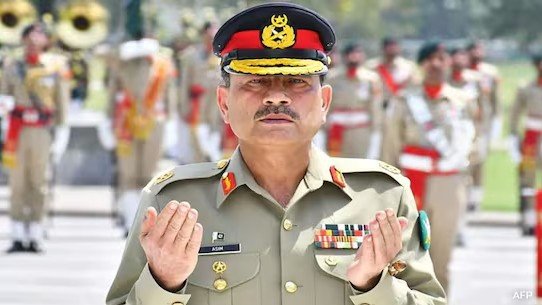
The Pakistan Tehreek-e-Insaf (PTI) party, led by Khan, has intensified street protests in Islamabad and Rawalpindi, signaling their intent to challenge Prime Minister Shehbaz Sharif’s government. Party activists are calling for the repetition of Khan’s 1992 demonstration strategy, aimed at pressuring Army Chief Field Marshal Asim Munir, whose longstanding tension with Khan dates back to 2019 when he was removed as ISI chief.
Safety Concerns and Allegations
The aggressive PTI campaign has been accompanied by rumors regarding Khan’s safety, sparked by unverified Afghan media reports alleging his death in custody. While the government has denied such claims, the lack of acquittal, limited family visits, and restricted access to legal counsel have heightened public anger and speculation.
20K Formula and Political Implications
PTI leaders assert that the 20K formula could undermine Munir’s authority, especially following constitutional amendments granting him lifelong immunity. The approach demonstrates Khan’s enduring influence over Pakistani politics, despite imprisonment, and underscores the high stakes in the ongoing struggle between PTI and the military establishment.
Nation Awaits Outcome
As the PTI presses forward with its bold strategy, the nation watches closely to see whether Khan’s historic formula can destabilize the current power structure, highlighting the volatile nature of Pakistan’s political landscape.
Comments are closed.