
Jagannath Temple Reclaims Ownership of 81 Acres of Land Worth ₹1,060 Crore in Puri
Revenue Board directs correction of land records after nearly 100 years, restoring Lord Jagannath’s ownership claim over 81 acres of prime land near Jagannath Medical College in Puri, valued at approximately ₹1,060 crore. As this conversation gets longer, ChatGPT may lose track of details from earlier in the chat. Upgrade for more context in every conversation. Upgrade to Plus

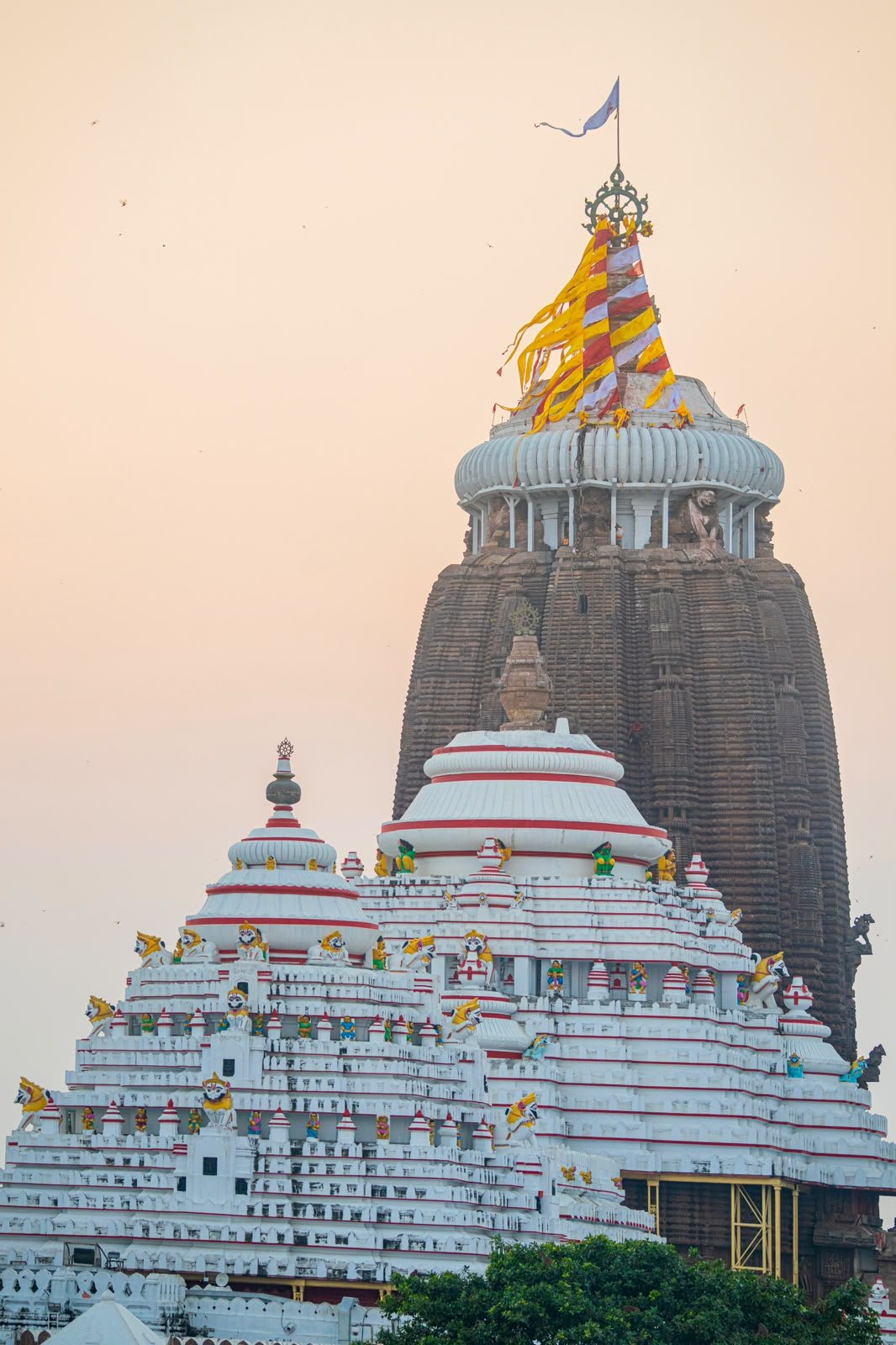
In a landmark decision aimed at protecting the land assets of Lord Jagannath, the Odisha Board of Revenue has directed the correction of land ownership records for more than 81 acres in Samangara Mouza under Puri Sadar Tehsil in favour of Lord Jagannath Mahaprabhu.
The valuable land, located near Shri Jagannath Medical College and Hospital within the Puri Municipal Corporation area, is estimated to be worth approximately ₹1,060 crore, based on an indicative market rate of ₹3,000 per square foot.
Revenue Board Issues Historic Order
The decision was delivered by Board of Revenue Member Satyabrata Sahu while adjudicating two cases (SRP Case Nos. 101/2023 and 102/2023) filed by the Shree Jagannath Temple Administration.
Following the order, the Puri Tehsildar was directed to correct the land records and register the properties in the name of Shree Jagannath Mahaprabhu, represented through the Shree Jagannath Temple Managing Committee, Puri.
The correction restores the temple’s ownership claim over land historically associated with the ‘Sateish Hazari Mahal’, nearly 100 years after the original records were altered.
Dispute Over Traditional Temple Service
The dispute primarily concerned the traditional ‘Kala Bethia Seva’, which was performed during the Rath Yatra. According to the temple administration, certain servitors were granted possession and enjoyment rights over the land in return for performing this service. However, these rights did not confer absolute ownership or unrestricted powers to transfer the properties.
The land was recorded under the Sthitiban category during the 1927 settlement. Subsequently, a 1939 auction sale and an unregistered lease document from 1942 were used by opposing parties to claim ownership.
Legal Documents Support Temple’s Claim
The Revenue Board examined historical land records, temple documents, relevant legal provisions and judgments of the Supreme Court and Odisha High Court.
It also considered a field investigation report submitted by the Puri Tehsildar covering 48 plots. The report identified several instances of unauthorised occupation.
The Board observed that prolonged physical possession or unauthorised construction does not automatically establish legal ownership. Similarly, the presence of a person’s name in revenue records does not, by itself, create ownership rights.
Administrative Action Following the Order
Accepting the temple administration’s claim, the Board directed the correction of land records covering more than 81 acres after verification of the corresponding old and current plot details.
The Puri Tehsildar subsequently initiated administrative action to secure the properties.
The decision is being viewed as a significant step towards protecting the religious, historical and cultural assets of Lord Jagannath and preventing unauthorised transfers of temple land.
Comments are closed.