

Odisha May Introduce SEBC Reservation in Municipal Elections, Government Revises Delimitation Timeline
Odisha Government Revises Ward Delimitation and Seat Reservation Schedule; SEBC Commission's Study May Pave the Way for Reservation in Upcoming Municipal Elections.

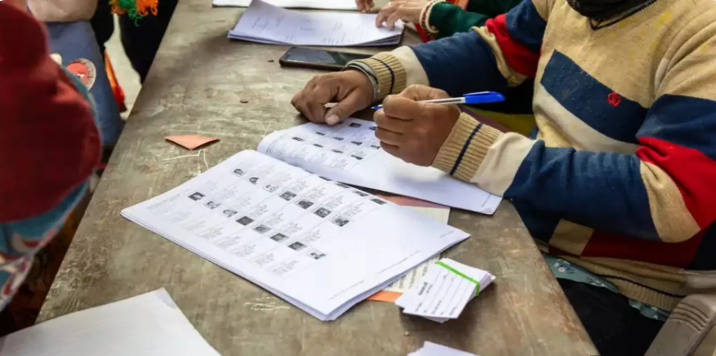
Is Odisha heading towards a major change in urban local body politics? The possibility of introducing reservation for Socially and Educationally Backward Classes (SEBC) in the upcoming municipal elections has triggered a fresh political debate across the state.
The discussion has gained momentum following a statement by Housing and Urban Development Minister Krushna Chandra Mahapatra, indicating the possibility of SEBC reservation in municipal elections.
Meanwhile, the Odisha Government has revised the timeline for ward delimitation and seat reservation ahead of the upcoming urban local body elections. The Housing and Urban Development Department has directed all District Collectors to publish draft notifications regarding ward restructuring and seat reservation by December 10.
According to the revised schedule, objections to the draft notifications will be accepted until December 19, while provisional notifications will be published by December 24. Interested parties will be able to file appeals against the provisional notifications between December 24, 2026, and January 7, 2027.
Odisha Government’s Revised Timeline for Municipal Elections
- December 10: Publication of draft notifications on ward delimitation and seat reservation.
- December 19: Last date for receiving objections.
- December 24: Publication of provisional notifications.
- December 24 to January 7, 2027: Period for filing appeals.
SEBC Commission Studying Political Representation
The possibility of extending reservation benefits to SEBC communities in municipal elections comes amid an ongoing study by a newly constituted commission.
On October 7, 2026, the Odisha Government established a new commission headed by retired High Court judge Justice Pramath Patnaik to examine the socio-economic and political status of SEBC communities in the state.
The commission will study the population, political representation and backwardness of SEBC communities in both rural and urban areas.
The findings of the commission are expected to play an important role in determining the possibility and framework of reservation for backward classes in local body elections.
Earlier, the state government had introduced 11.25 per cent reservation for SEBC students in medical and engineering education. If a similar reservation framework is introduced in municipal elections, it could open up new political opportunities for backward communities.
Major Challenge Ahead of Urban Local Body Elections
The possible introduction of SEBC reservation could bring significant changes to Odisha’s urban political landscape.
On the other hand, the State Election Commission is preparing to conduct panchayat and municipal elections on time. Implementing a new reservation framework within the limited timeframe could prove to be a major administrative and political challenge for the state government.
With the SEBC Commission’s study underway and the ward delimitation process gaining momentum, all eyes are now on the government’s next move regarding reservation for backward communities in Odisha’s municipal elections.
Comments are closed.