
Pakistan Army Accused of Brutal Crackdown on Protesters in PoK, Over 30 Reportedly Killed

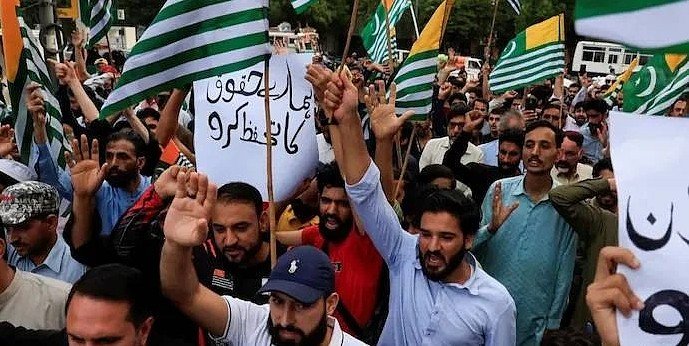
Tensions have escalated in Pakistan-occupied Kashmir (PoK) after the Pakistan Army allegedly opened fire on protesters, resulting in the deaths of more than 30 people and injuries to over 200 others. The crackdown has sparked widespread outrage across the region, where anti-government demonstrations have been ongoing for several months.
JAAC Declared a Terrorist Organisation
The protests were called by the Jammu Kashmir Joint Awami Action Committee (JAAC), a prominent civil rights organisation in PoK. The group has long campaigned for better governance, subsidised essential commodities, and the protection of basic rights for residents of the region.
The government of Pakistani Prime Minister Shehbaz Sharif has now designated JAAC as a terrorist organisation, intensifying tensions between authorities and protesters. The organisation has been at the forefront of public demonstrations against government policies and alleged neglect of local concerns.
Why Are People Protesting?
The primary reason behind the protests is the alleged mistreatment of local residents by the Pakistani government and security forces. Protesters claim that while Pakistan continues to exploit the region’s natural resources, the local population receives little benefit in return.
Residents have accused authorities of discrimination, economic neglect, and failure to address the hardships faced by communities in PoK. Many argue that they are left to bear the environmental and social consequences of resource extraction without adequate compensation or development.
Rawalakot Emerges as Protest Epicentre
The city of Rawalakot has become the centre of the ongoing agitation. Security forces reportedly launched operations against JAAC activists and demonstrators in the area as protests intensified.
Authorities have imposed restrictions on the organisation, and internet services across PoK have reportedly remained suspended since June 5, further fuelling concerns over freedom of expression and access to information.
A Long-Running Movement
The current unrest is not an isolated incident. JAAC has led several mass movements in recent years, demanding subsidised wheat, affordable electricity, and other basic necessities for residents.
In 2023, similar demonstrations were met with force as Pakistani military and paramilitary personnel allegedly used tear gas, baton charges, and live ammunition against protesters. The latest violence has renewed fears of a wider confrontation between authorities and local communities.
India Reacts to Developments in PoK
India has strongly reacted to the reported crackdown on protesters in PoK. Responding to the developments, Ministry of External Affairs spokesperson Randhir Jaiswal criticised Pakistan’s actions.
“Pakistan is making desperate attempts to conceal its failures and divert attention from human rights violations. The international community should hold Pakistan accountable for such actions,” Jaiswal said.
India has consistently maintained that Pakistan must address concerns related to human rights and governance in the territories under its control.
Growing International Concern
The latest developments have drawn attention to the ongoing unrest in Pakistan-occupied Kashmir, where residents continue to demand greater economic relief, political representation, and protection of civil rights. Human rights observers have called for transparency and restraint amid reports of casualties and restrictions on communication services.
Comments are closed.