
Rural Odisha Set for Major Transformation as Finance Commission Recommends Property Tax and Performance-Based Grants
Sixteenth Finance Commission proposes property tax in gram panchayats, performance-based grants, and over ₹28,000 crore in Central and State funding to boost rural development across Odisha.

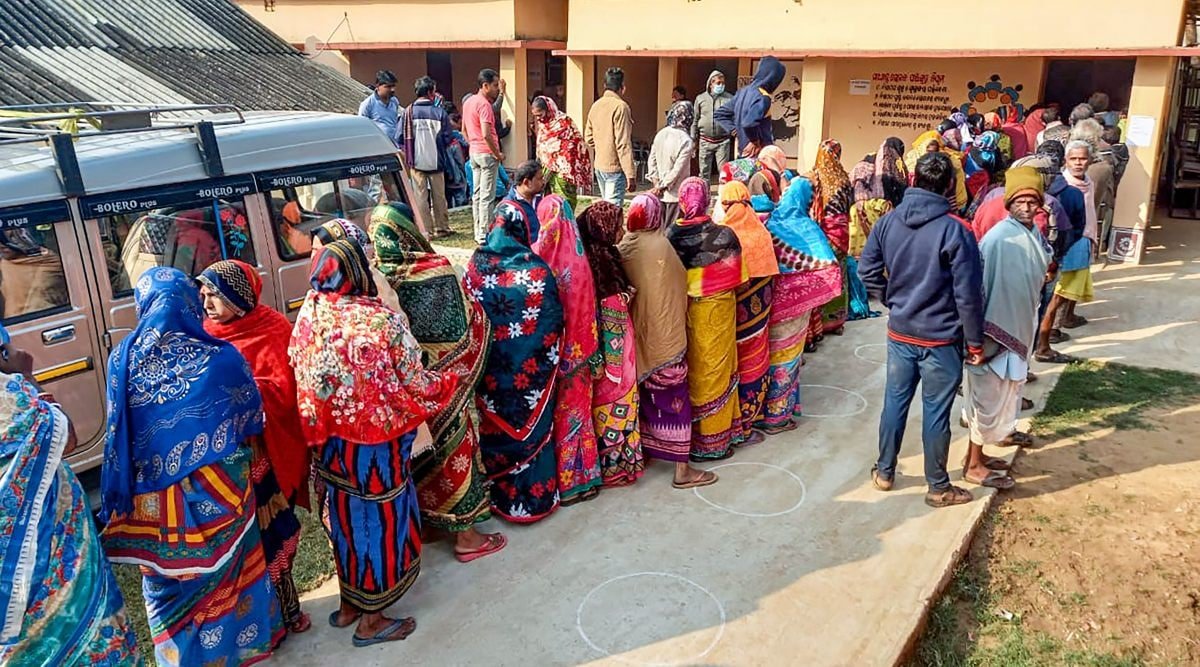
Rural Odisha is poised for a major transformation following recommendations by the Sixteenth Finance Commission (SFC), which has proposed the introduction of house and property taxes in gram panchayats.
Under the new framework, residents in rural areas may have to pay an annual property tax of around ₹1,200. The recommendation aims to strengthen local revenue generation and improve the financial capacity of Panchayati Raj Institutions (PRIs).
The move seeks to bring rural local bodies closer to the revenue model followed by municipalities and municipal corporations, where property taxes serve as a key source of funding for development activities.
Panchayats Directed to Prepare Development Plans
The Panchayati Raj Department has instructed gram panchayats to prepare development plans in accordance with the guidelines issued by the Sixteenth Finance Commission.
The recommendations cover the financial period from 2026-27 to 2030-31 and outline the allocation of funds to gram panchayats, panchayat samitis, and zilla parishads.
Performance Grants to Reward Better Governance
A key feature of the new funding model is the introduction of performance-based grants from 2028-29 onwards.
Under the proposal, rural local bodies that demonstrate better revenue collection and governance performance will receive additional financial incentives. Panchayats will be eligible for an extra 10 percent grant over and above the funds allocated by the Centre.
The higher the revenue mobilization by a panchayat, the greater its performance score and the larger the grant it may receive.
Odisha to Receive ₹3,742 Crore in Performance Grants
Over the next five years, Odisha is expected to receive ₹3,742 crore from the Centre as performance-linked grants.
The funding is aimed at encouraging transparency, accountability, and efficient resource management at the grassroots level.
₹18,715 Crore Proposed for Three-Tier Panchayati Raj System
The Sixteenth Finance Commission has proposed a total grant of ₹18,715 crore for Odisha’s three-tier Panchayati Raj system between 2026-27 and 2030-31.
Of the total allocation:
- 80 percent will be provided as basic grants.
- 20 percent will be distributed as performance-based grants.
This financial support is expected to significantly strengthen rural governance and infrastructure development across the state.
Focus on Drinking Water, Sanitation and Waste Management
Half of the basic grant allocation will be provided as tied grants, earmarked specifically for:
- Drinking water management
- Sanitation services
- Solid waste management
- Liquid waste management
These investments are expected to improve public health standards and environmental sustainability in rural areas.
Untied Funds for Roads, Parks and Community Infrastructure
The remaining untied grants can be used by local bodies for a range of development activities, including:
- Road construction and maintenance
- Community centres and Kalyan Mandaps
- Parks and recreational facilities
- Gymnasiums
- Other local infrastructure projects
The flexibility is intended to help local governments address region-specific development needs.
Additional ₹10,150 Crore Under State Finance Commission
Apart from Central grants, the Sixth State Finance Commission has proposed the transfer of ₹10,150 crore to Panchayati Raj Institutions between 2026 and 2031.
According to the proposed distribution formula:
- Gram Panchayats will receive 60 percent of the funds.
- Panchayat Samitis will receive 30 percent.
- Zilla Parishads will receive 10 percent.
Officials believe the combined Central and State funding support will significantly enhance rural infrastructure, service delivery, and grassroots governance across Odisha.
Comments are closed.