

Rahul Gandhi Faces Lifetime Ban Bid: BJP MP’s Substantive Motion Rocks Lok Sabha
BJP MP Moves Substantive Motion in Lok Sabha Seeking Expulsion of Rahul Gandhi, Congress Calls It Political Vendetta

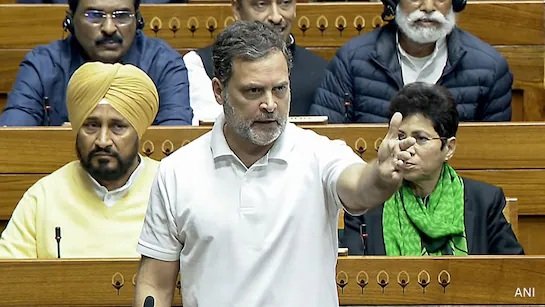
Dubey submitted a substantive motion accusing Gandhi of misleading the nation and allegedly working with foreign organisations to harm India’s interests. Speaking to reporters, Dubey claimed Gandhi had links with groups backed by billionaire George Soros and organisations such as the Soros Foundation, the Ford Foundation, and United States Agency for International Development.
He alleged that these entities were attempting to destabilise India and that Gandhi was collaborating with anti-India forces in countries including Thailand, Vietnam, Cambodia and the United States.
“In my proposal, I have asked that Rahul Gandhi be removed from Parliament and never allowed to run in elections again,” Dubey said, according to ANI.
What Is a Substantive Motion?
A substantive motion is a formal proposal placed before the House for discussion and voting. Unlike routine resolutions, it can trigger structured debate, referral to a parliamentary committee, and even expulsion if adopted.
However, even if such a motion were passed, it would not automatically disqualify an MP from contesting elections. Further constitutional and legal procedures would be required under provisions of the Representation of the People Act, 1951.
At present, the motion is only a notice. The Speaker must first decide whether it will be admitted for discussion.
Trigger: Gandhi’s Criticism of Government
The move follows Gandhi’s recent speeches in Parliament where he accused the government of compromising national interests, particularly in the India–US trade agreement. His remarks sparked strong rebuttals from the BJP, which termed his allegations baseless and damaging to India’s image.
The Congress party has described the motion as a “political vendetta” aimed at silencing Gandhi for raising uncomfortable questions in Parliament.
Echoes of Past Parliamentary Expulsions
The situation has drawn comparisons with the 2005 “Cash-for-Query” scandal, when several MPs were expelled following investigations into corruption allegations.
However, political observers note that Gandhi’s case remains at a preliminary stage. The Speaker’s decision on whether to admit the motion will determine the next course of action.
For now, the notice has further heightened tensions in the House, with both sides digging in amid an already stormy Budget Session.
Comments are closed.