

Sugar-Free Trap: Your Favourite Gum and Soft Drinks May Harm Heart and Brain
Major international study raises concerns over artificial sweeteners linking sugar-free drinks and foods to increased heart and brain disease risks

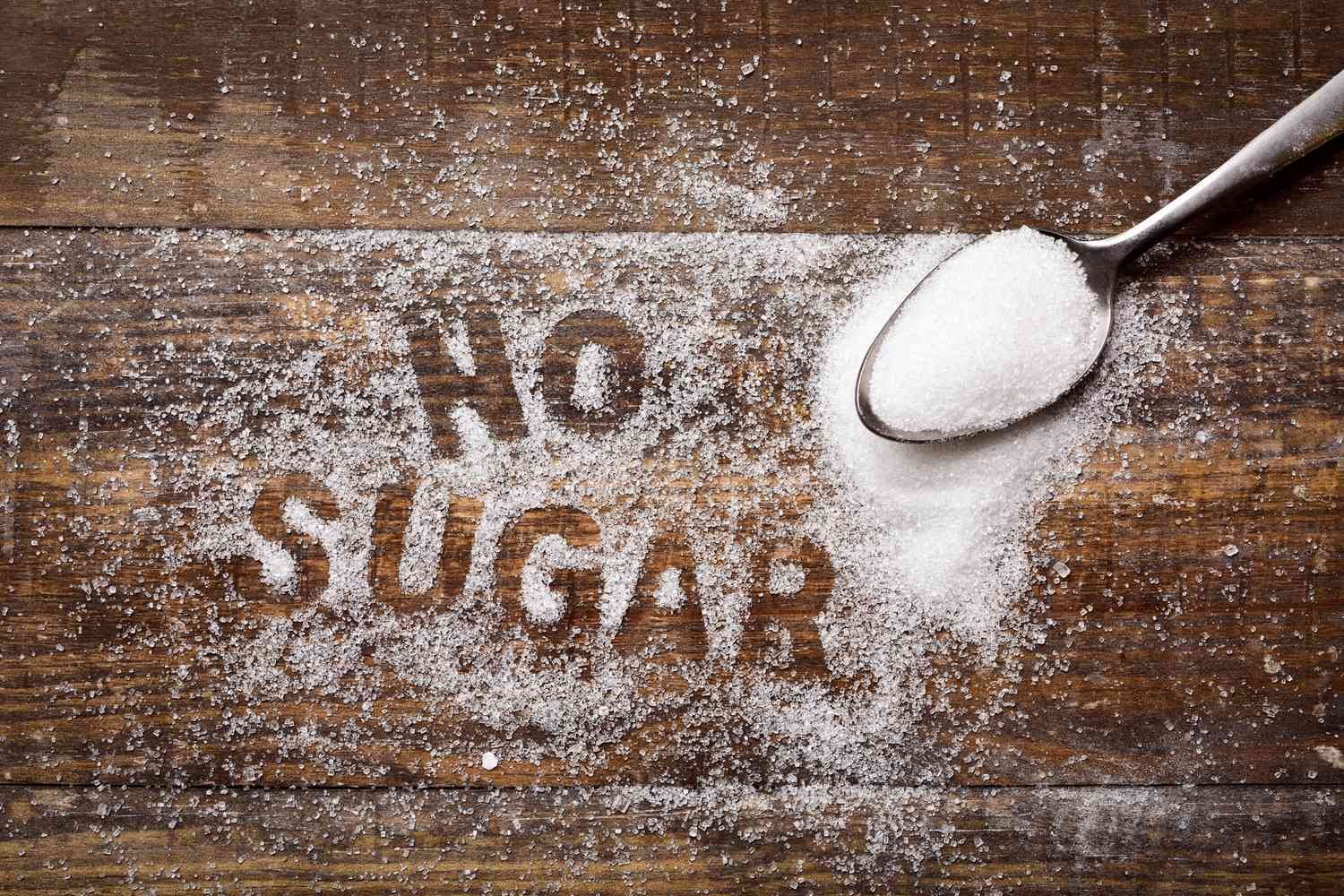
Recent research has raised alarms over the potential health risks of artificial sweeteners commonly found in sugar-free soft drinks, chewing gum, and other processed products. Experts warn that these popular substitutes may silently harm the cardiovascular and nervous systems.
Large-Scale Study Highlights Risks
A decade-long study conducted by researchers in France and the United Kingdom, published in Nature Medicine, examined over 100,000 adults. The findings indicate that habitual consumption of artificial sweeteners is associated with a 9% increase in the risk of cardiovascular diseases, including heart attacks and cerebrovascular accidents. Additionally, the likelihood of cerebrovascular events affecting cerebral blood flow was found to rise by 18%.
Sweeteners Under Scrutiny
The study focused on widely used sweeteners such as aspartame, sucralose, acesulfame K, and saccharin. Participants consuming more than 77 mg of these sweeteners daily were found to be at the highest risk. Notably, aspartame was linked to a greater risk of stroke, while acesulfame-K and sucralose showed stronger associations with coronary heart disease.
Expert Warnings
Dr Anjali Sharma, a cardiologist based in Delhi, cautioned that artificial sweeteners, often used to reduce caloric intake or manage diabetes, are not necessarily safe alternatives. She emphasized that natural substitutes or reducing sweet cravings altogether could yield far better long-term health outcomes.
Recommendations for Safer Consumption
Health authorities now advise consumers to carefully read product labels and limit intake of processed sugar-free items. Alternatives such as fresh fruit, plain water, or homemade limewater are recommended to stay refreshed without compromising heart and brain health.
A Timely Warning
With millions of people opting for sugar-free beverages and snacks, the research serves as a timely warning: choosing sweeteners without sugar may come at a hidden cost to vital organs.
Comments are closed.