
Shakti Summit Brings 22 States and UTs Together for Women’s Safety and Empowerment
Odisha Deputy CM Pravati Parida urges stronger institutions and Centre-State coordination to ensure women’s safety, dignity and empowerment.

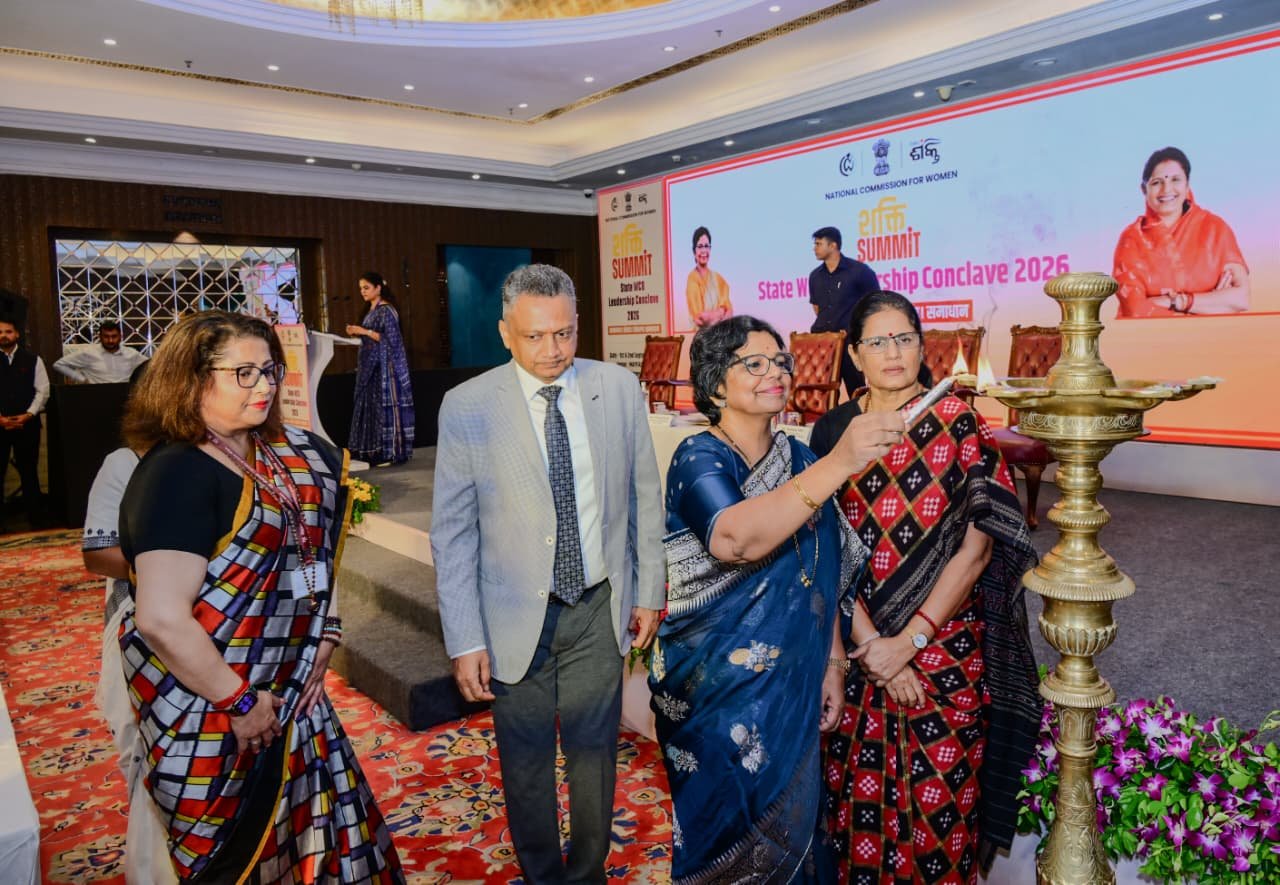
Odisha Deputy Chief Minister Pravati Parida on Tuesday inaugurated the Shakti Summit in Bhubaneswar, bringing together senior officials from 22 States and Union Territories to strengthen collective efforts towards women’s safety, protection and empowerment.
Addressing the inaugural session as the Chief Guest, Parida said women’s safety and empowerment must be pursued together through strong institutions, effective implementation and collective responsibility. She stressed the need for greater coordination between the Centre and states to ensure that every woman can live with safety, dignity and equal opportunities.
The summit has been organised by the National Commission for Women (NCW) in collaboration with the Government of Odisha. It aims to provide a platform for States and UTs to share successful practices, identify implementation gaps and develop actionable strategies to strengthen institutional mechanisms for women’s safety and empowerment.
NCW Chairperson Vijaya Rahatkar highlighted the vision of the summit and called for sustained collective action and stronger institutional mechanisms to address issues affecting women across the country.
Senior officials, including NCW Member Secretary Sudeep Jain, Odisha Women and Child Development Commissioner-cum-Secretary Dr Mrinalini Darswal and Mission Shakti Secretary Manasi Nimbhal, attended the inaugural session.
The summit witnessed participation from 29 senior officers representing 22 States and UTs, including Andhra Pradesh, Assam, Bihar, Chhattisgarh, Gujarat, Haryana, Karnataka, Kerala, Madhya Pradesh, Maharashtra, Odisha, Punjab, Tamil Nadu, Uttar Pradesh, West Bengal, Delhi, Jammu & Kashmir and others.
The deliberations will focus on improving implementation, sharing state-level interventions and strengthening institutional collaboration to address emerging challenges related to women’s safety and protection.
Comments are closed.