
Pakistan LPG Crisis: Gas Cylinder Prices Surge 56%, Poor Families Hit Hard
Closure of Key Iran-Pakistan Border Routes Disrupts Daily LPG Supply, Pushing 12-kg Cylinder Prices from 4,500 to 7,000 Pakistani Rupees and Deepening the Hardships of Poor Families and Rickshaw Drivers.

Already struggling with a severe economic crisis, Pakistan is now facing a major energy shortage as the country grapples with an acute shortage of Liquefied Petroleum Gas (LPG). The shortage has triggered a sharp rise in cooking gas prices, putting additional pressure on ordinary households and low-income families.
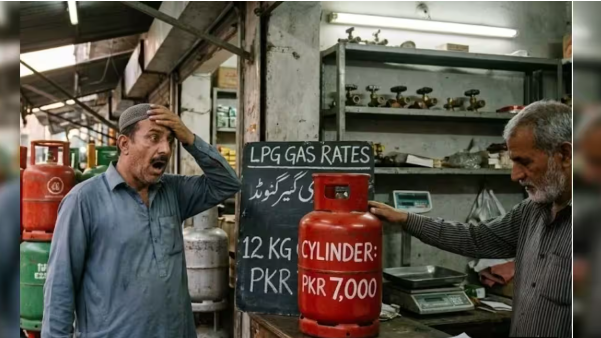
The price of a 12-kg LPG cylinder has reportedly jumped from around 4,500 Pakistani rupees to nearly 7,000 rupees within a few days, marking an increase of approximately 56 per cent. The sudden price hike has severely affected consumers, particularly poor households that depend on LPG for cooking and transportation.
Iran Border Closure Disrupts LPG Supply
The major reason behind the crisis is the closure of two key crossing routes along the Iran-Pakistan border. Since October 17, the closure has reportedly disrupted the daily supply of nearly 7,000 metric tonnes of LPG to Pakistan.
According to the Pakistan LPG Association, the Balochistan government closed the border routes on security grounds and to prevent smuggling. The disruption has reduced LPG availability in the domestic market, pushing prices sharply higher.
Rickshaw Drivers’ Daily Earnings Fall Sharply
The impact of the LPG shortage has been particularly severe on low-income workers in Lahore. Nearly 70 per cent of the city’s auto-rickshaws and more than 8,000 Qingqi (three-wheeler) rickshaws run on LPG.
According to the president of the Awami Rickshaw Union, LPG is essentially the fuel of the poor.
The struggle of 33-year-old Lahore rickshaw driver Rashid Ali highlights the severity of the situation. Ali, who has been driving a rickshaw for 13 years, earlier earned around 1,700 Pakistani rupees a day. However, he now finds it difficult to earn even 700 to 800 rupees daily.
He has to refill gas four to five times a day, spending between 300 and 400 rupees each time. In addition, he pays 600 rupees daily as rickshaw rent and 11,000 rupees every month for house rent.
With rising fuel expenses and declining earnings, managing household expenses has become increasingly difficult.
Poor Families Struggle to Afford Two Meals a Day
The combination of rising LPG prices and falling incomes has forced thousands of poor families to cut down on their food expenses.
Many households that previously managed three meals a day are now surviving on just two meals. The situation has further worsened the financial difficulties of daily wage earners and low-income families.
Pakistan’s Inflation Adds to Economic Woes
Pakistan’s broader economic situation is also a cause for concern. The country’s inflation reportedly climbed to 9.6 per cent in October. Meanwhile, the central bank raised the interest rate to 12 per cent to tackle the country’s economic challenges.
When Will the LPG Crisis End?
The situation is unlikely to improve significantly until LPG supplies through the Iran-Pakistan border resume.
For thousands of poor families and rickshaw drivers, the shortage is no longer just an energy crisis. It has become a serious threat to their daily earnings, livelihoods and ability to afford basic necessities.
With cooking gas prices soaring and household budgets under mounting pressure, Pakistan’s most vulnerable sections are bearing the brunt of the worsening crisis.
Comments are closed.