

Navratri 2026: What Is the Three-Day Tri Ratri Fast?
Tri Ratri fasting offers devotees who cannot observe the full nine-day Navratri fast an opportunity to observe the final three days—Saptami, Ashtami and Navami—with prayers, worship and spiritual discipline.

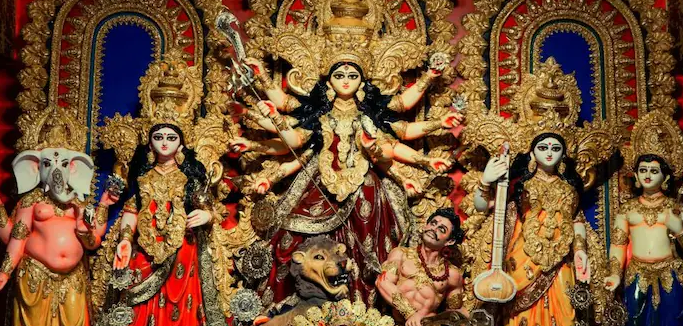
Sharadiya Navratri is traditionally observed with nine days of fasting and prayers dedicated to the nine forms of Goddess Durga. However, for devotees who may not be able to observe the fast throughout all nine days, Hindu religious traditions also mention the practice of the three-day “Tri Ratri” fast.
The Tri Ratri fast is observed during the final three days of Navratri — Saptami, Ashtami and Navami. Devotees follow the fast along with prayers, meditation, mantra chanting and special worship of Goddess Durga.
Fasting Rules Vary Across Traditions
The rules for the Tri Ratri fast can differ depending on regional customs and family traditions. Some devotees observe the fast by consuming only fruits and permitted fasting foods, while others may have a single sattvic meal during the day.
Devotees generally give importance to self-discipline, sattvic food, prayers and maintaining a calm and positive state of mind during the fasting period.
Significance of Saptami, Ashtami and Navami
The final three days of Navratri hold special significance in Goddess Durga worship. On Saptami, devotees worship Goddess Kalaratri and seek her blessings for protection from fear, obstacles and difficulties.
Ashtami and Navami are also marked by special prayers and rituals. In many households, Kanya Puja and havan are performed as part of the Navratri celebrations.
Who Can Observe Tri Ratri Fast?
According to religious belief, devotees who are unable to observe a full nine-day fast can undertake the three-day fast during Saptami, Ashtami and Navami with devotion and discipline.
The worship of Mahakali, Mahalakshmi and Mahasaraswati is also considered significant during Navratri. Devotees often focus on maintaining purity in food, thoughts and conduct while observing the fast.
Follow Family and Regional Traditions
Fasting practices can vary considerably across regions and families. Devotees are generally advised to follow the rules prescribed by their local Panchang and family traditions.
Those planning to observe the fast should also consider their physical capacity before beginning. The emphasis remains on devotion, discipline and spiritual observance rather than simply following a rigid fasting routine.
Comments are closed.