
World Diabetes Day 2026: Diabetes No Longer an Age-Related Disease, Young Indians Increasingly at Risk
World Diabetes Day observed on November 14 to promote early detection and quality care as rising blood sugar cases among young Indians raise health concerns.

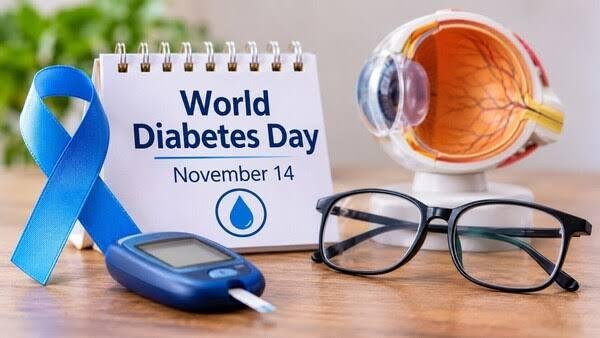
World Diabetes Day is being observed across the globe on Saturday to raise awareness about diabetes, its prevention and the importance of timely diagnosis and treatment. Observed every year on November 14, it is one of the world’s largest diabetes awareness campaigns.
This year’s theme highlights early diagnosis, access to quality care and eliminating the social stigma associated with diabetes.
Diabetes is no longer a health concern limited to older people. An increasing number of young people are also being diagnosed with the disease, with cases being reported even among individuals as young as 25 years.
What Is Diabetes and How Does It Affect the Body?
Diabetes is a chronic health condition characterised by elevated blood sugar levels. It occurs when the pancreas does not produce enough insulin or when the body cannot effectively use the insulin it produces.
If left uncontrolled, high blood sugar levels can damage blood vessels and affect vital organs, including the heart, eyes, kidneys and nerves.
There are two major types of diabetes:
- Type 1 Diabetes: It commonly develops in children and young people, although it can occur at any age. It occurs when the body’s immune system destroys insulin-producing cells in the pancreas.
- Type 2 Diabetes: It develops when the body cannot use insulin effectively or does not produce sufficient insulin. Its symptoms are often mild, which means the condition can remain undiagnosed for years.
Diabetes Cases Rising Among Indians
According to the National Family Health Survey (NFHS) data cited in the report for 2023-24, the prevalence of high blood sugar and diabetes medication use has increased among adults in India.
Among people aged 15–49 years, the prevalence of elevated blood sugar or diabetes medication use reportedly stands at 17.8% among women and 20.9% among men.
The corresponding figures in NFHS-5 (2022-23), as cited in the report, were 13.5% among women and 15.6% among men.
The data also highlights the progress made in diabetes management across the country. Around 74.2% of people with diabetes have been diagnosed, while 59.4% are taking medication. Approximately 65.5% have achieved glycaemic control.
However, significant gaps in diagnosis and treatment continue to exist, particularly in rural areas.
Diabetes and obesity are also increasingly spreading beyond urban centres. Southern Indian states, in particular, are witnessing a growing burden of these lifestyle-related health conditions in both urban and rural areas.
How to Reduce the Risk of Diabetes?
Adopting a healthy lifestyle can help reduce the risk of developing Type 2 diabetes. Health experts recommend the following measures:
- Exercise regularly: Engage in physical activities such as walking, cycling and other forms of exercise.
- Follow a balanced diet: Include fruits, vegetables, whole grains and nutritious foods in daily meals.
- Maintain a healthy weight: Managing body weight can improve insulin sensitivity and reduce the risk of Type 2 diabetes.
- Limit sugar intake: Avoid excessive consumption of sweets, sugary drinks and highly processed foods.
- Monitor blood sugar levels: Regular health check-ups and blood sugar tests can help detect diabetes at an early stage.
Ignoring diabetes can lead to serious complications, including heart disease, kidney damage, vision problems and nerve-related disorders.
On World Diabetes Day, the focus remains on spreading awareness, encouraging early screening and ensuring access to quality treatment so that people can prevent compli
Comments are closed.