

Unlicensed Khaja Units Raided in Puri, 20 Quintals of Khaja Destroyed
Five khaja-making units sealed, ₹28,000 fine collected and 15 quintals of khaja destroyed during a joint food safety raid in Puri.

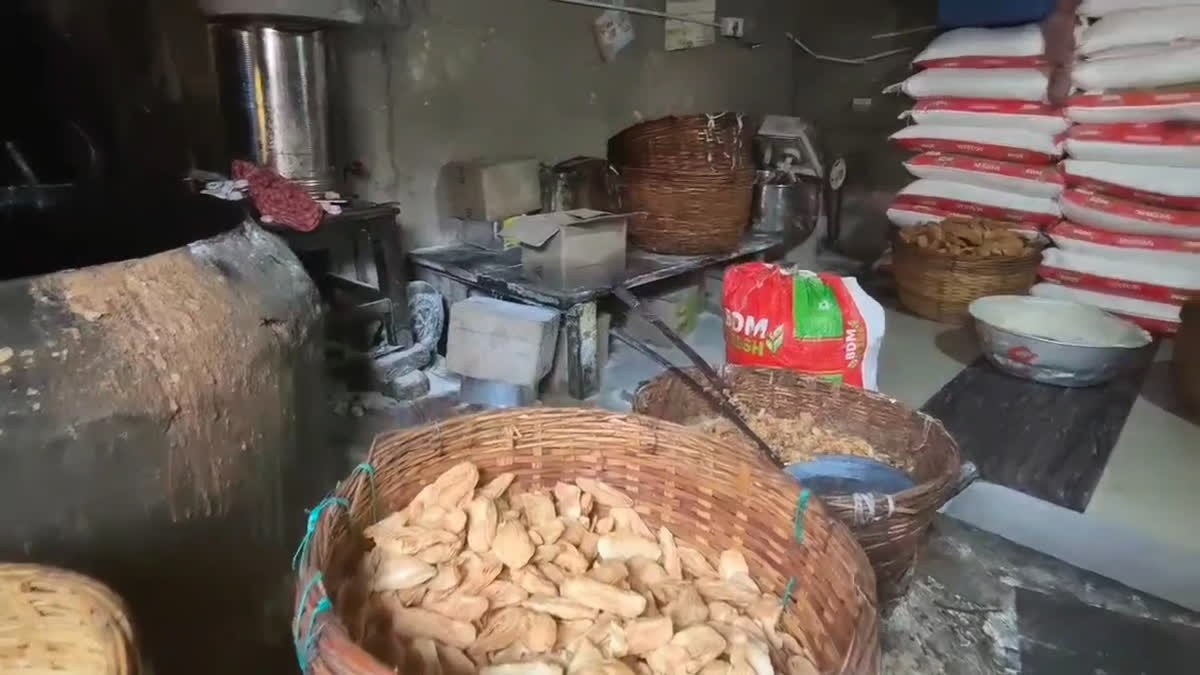
Food safety authorities and the district administration have intensified their crackdown on unlicensed khaja-making units in the pilgrim city of Puri, with a second raid conducted within 13 days exposing unhygienic food preparation practices.
During the latest joint enforcement drive, five khaja-making units were sealed, ₹28,000 was collected as fines and around 15 quintals of khaja and related syrup were destroyed. Seven domestic LPG cylinders being allegedly used for commercial food production were also seized.
The raid was conducted in the Kakudi Chhak and Mangalaghat Pania Tota areas of Puri following complaints of unhygienic conditions and operation without valid licences.
According to officials, the khaja-making units were operating in highly unhygienic surroundings, with stagnant drain water and poor sanitation reported near the production areas. The authorities also found khaja being prepared in conditions that raised concerns over food safety and hygiene.
The latest action comes just 13 days after a major raid conducted on September 16. The repeated enforcement drives have highlighted concerns over the production and supply of khaja to shops across Puri.
Khaja is one of the most popular food items associated with Puri and is widely purchased by devotees and tourists visiting the city. The product is also closely associated with the city’s religious and cultural identity.
20 Quintals of Khaja Destroyed in 13 Days
With the latest action, authorities have destroyed around 20 quintals of khaja and syrup within a span of 13 days. During the period, nine khaja-making units have been sealed and a total fine of ₹63,000 has been collected.
Officials have also taken action against the use of domestic LPG cylinders for commercial purposes, with seven cylinders seized during the latest inspection.
The enforcement action has raised questions over the continued operation of unlicensed and unhygienic khaja-making units despite earlier raids.
Intellectuals and concerned citizens have called for sustained monitoring and strict enforcement to ensure that food products sold in the pilgrim city meet prescribed safety and hygiene standards.
They also stressed the need to protect the reputation of Puri’s traditional khaja and ensure that devotees and tourists are not exposed to unsafe food products being sold in the name of the city’s famous delicacy.
With authorities carrying out back-to-back raids, attention is now focused on whether sustained enforcement and regular inspections can curb unlicensed and unhygienic khaja production in Puri.
Comments are closed.