

Iran Plans New Rules for Ships Passing Through Strait of Hormuz, Service Fees Likely

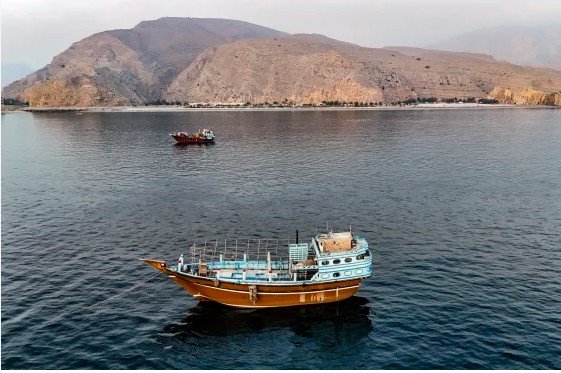
Iran has announced plans to introduce a new regulatory framework for ships passing through the strategically important Strait of Hormuz, a vital global shipping route that carries a significant share of the world’s oil and gas exports. The proposed system, being developed jointly with Oman, is expected to include service charges, enhanced vessel monitoring, and stronger environmental protection measures.
Speaking at the World Peace Forum in China, Iranian Ambassador Abdolreza Rahmani Fazli said the new framework is aimed at improving maritime management rather than imposing a toll on international shipping. According to him, vessels using the Strait of Hormuz will be required to pay service fees to support navigation services, maritime surveillance, and other operational facilities.
Fazli clarified that the proposed charges should not be viewed as a toll tax but as payment for services provided to vessels transiting the waterway. He also indicated that countries which supported Iran during difficult periods could receive special concessions under the new system, although he did not identify which nations would qualify.
The Islamic Revolutionary Guard Corps (IRGC) Navy has assured that it will continue to provide security in the Strait of Hormuz despite growing regional tensions.
Meanwhile, U.S. officials have stated that commercial shipping through the southern route of the Strait remains open and operational. According to American media reports, around 50 ships have safely passed through the waterway in recent days despite heightened geopolitical concerns.
U.S. authorities also claimed that many vessels are sailing with their Automatic Identification System (AIS) switched off, making them difficult to track through conventional maritime monitoring systems. They further alleged that Iranian security forces have been contacting ships over VHF radio in attempts to intimidate or pressure them.
Despite these claims, international shipping traffic through the Strait of Hormuz has continued largely without disruption. The proposed regulations, if implemented, could have significant implications for global maritime trade and energy transportation, given the strategic importance of one of the world’s busiest shipping corridors.
Comments are closed.