
Dhaka’s Election Drama: Decoding Impacts on Delhi’s Eastern Ties
Bangladesh Election Results Could Reshape Ties with India Amid Regional Security Concerns

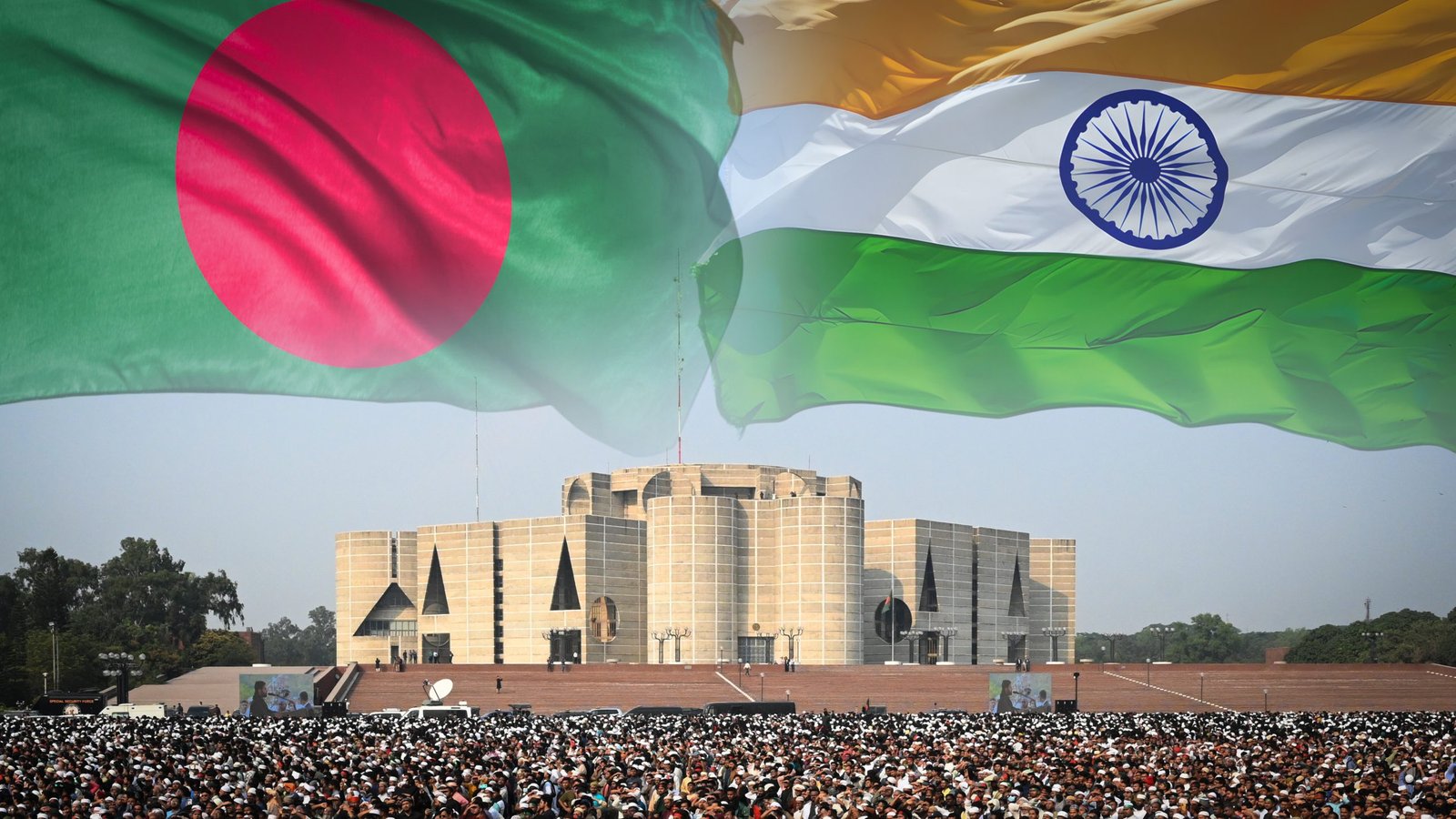
The main contenders emerging from the election are the Bangladesh Nationalist Party (BNP), led by Tarique Rahman, and Jamaat-e-Islami, headed by Shafiqur Rahman.
Tarique Rahman, who recently returned from London, has revived the BNP under a “Bangladesh First” plank. While asserting that his party will not favour any foreign power, he has signalled openness to pragmatic engagement with India.
In contrast, Jamaat-e-Islami has historically taken a more confrontational stance toward India and had sided with Pakistan during the 1971 Liberation War. Analysts warn that if Jamaat gains significant influence, it could harden Dhaka’s posture toward New Delhi and raise security concerns.
A Crucial Relationship for Both Nations
Bangladesh shares a nearly 4,000-kilometre border with India, making it one of New Delhi’s most strategically important neighbours. The country depends heavily on India for trade, raw materials, electricity supply and connectivity projects.
Despite periodic tensions, experts note that the two nations are deeply interconnected and cannot afford prolonged hostility. Economic interdependence and geographic realities make cooperation almost unavoidable.
Interim Government and Rising Tensions
The interim administration led by Muhammad Yunus has overseen the transition period. However, relations have grown tense amid anti-India rhetoric and reported incidents of violence against minorities, particularly Hindus.
Such developments have heightened concerns in India, especially regarding stability near the strategically sensitive Siliguri Corridor — often referred to as the “Chicken’s Neck” — which connects mainland India to its northeastern states.
What Lies Ahead for India–Bangladesh Ties?
Regardless of which party ultimately forms the government, political stability in Dhaka will be key to resetting bilateral ties. A moderate and pragmatic leadership could help restore confidence and strengthen cooperation in trade, connectivity, and security.
For India, ensuring a stable and inclusive Bangladesh remains a top priority. The election results will determine whether relations move toward renewed engagement or enter a more uncertain phase in the months ahead.
Comments are closed.